Topic guide
Best cat breeds for families
Gentle, patient, and sociable cats that thrive in busy households with children and other pets.
This page is for households with children, other pets, or a busy social life who want a cat that fits right in.
Not every cat tolerates a toddler pulling its tail or a dog sniffing its face. Family-friendly breeds share a few key traits: patient temperaments, a high threshold for noise and unpredictable movement, and enough sociability to enjoy a full house rather than hide from it.
When choosing a family cat, look for breeds with a documented history of gentle behavior around children, adaptability to changing routines, and moderate-to-high social needs so the cat actually wants to be part of family life.
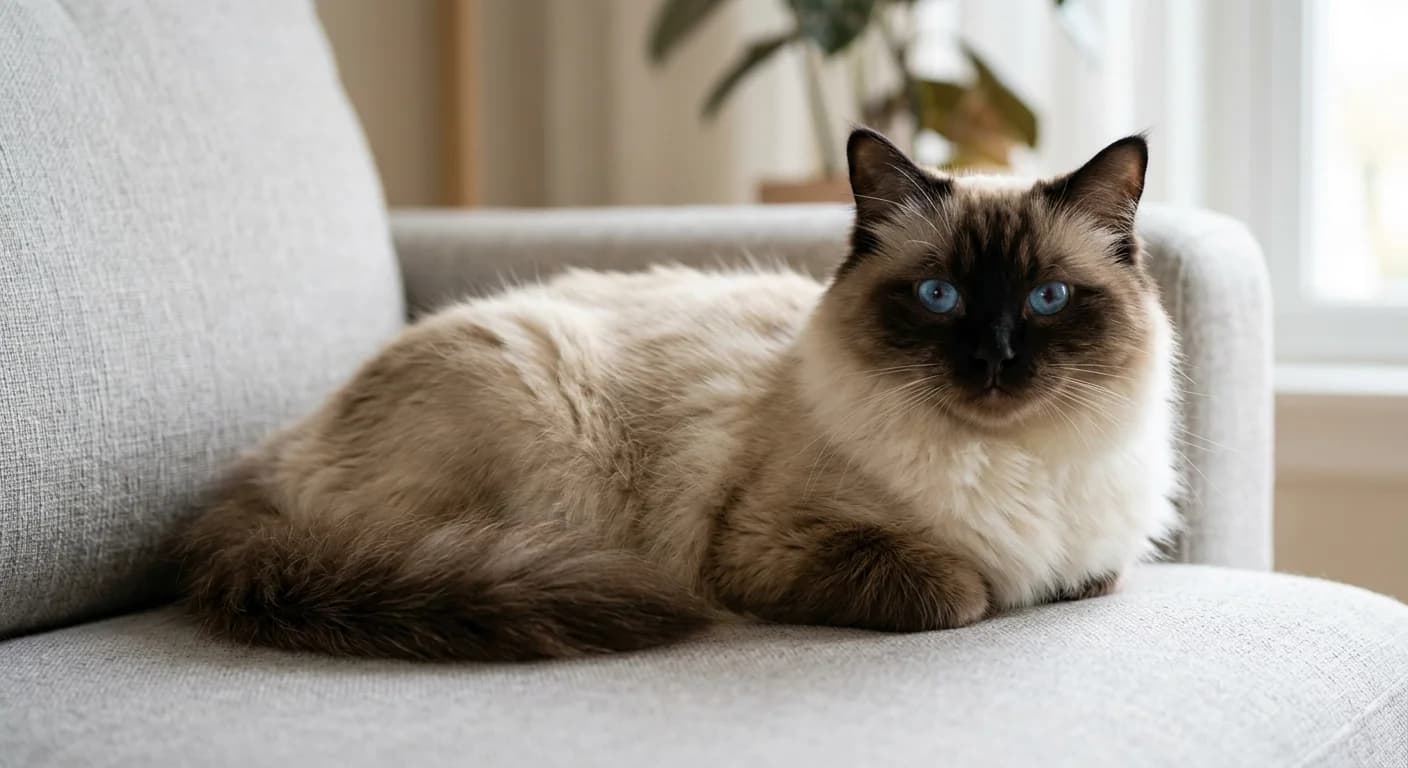
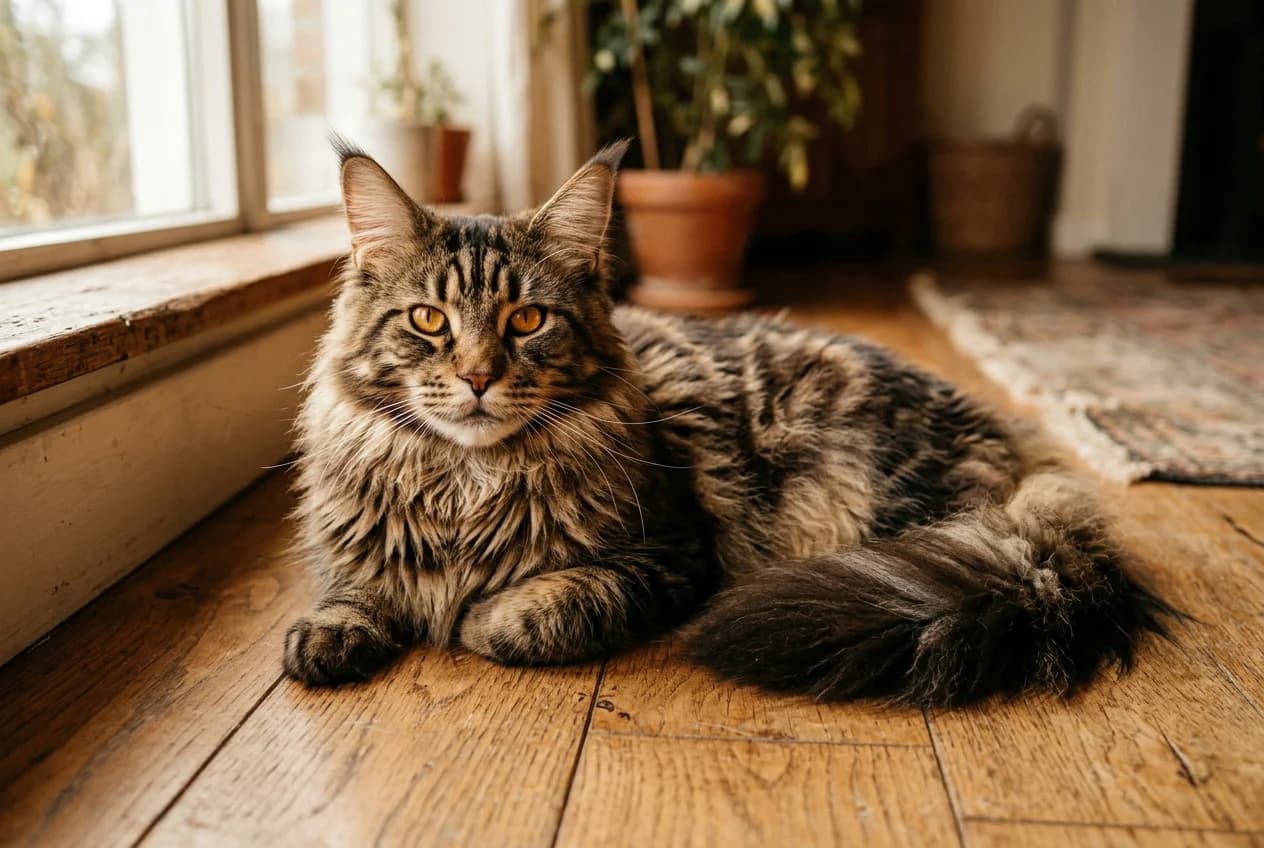
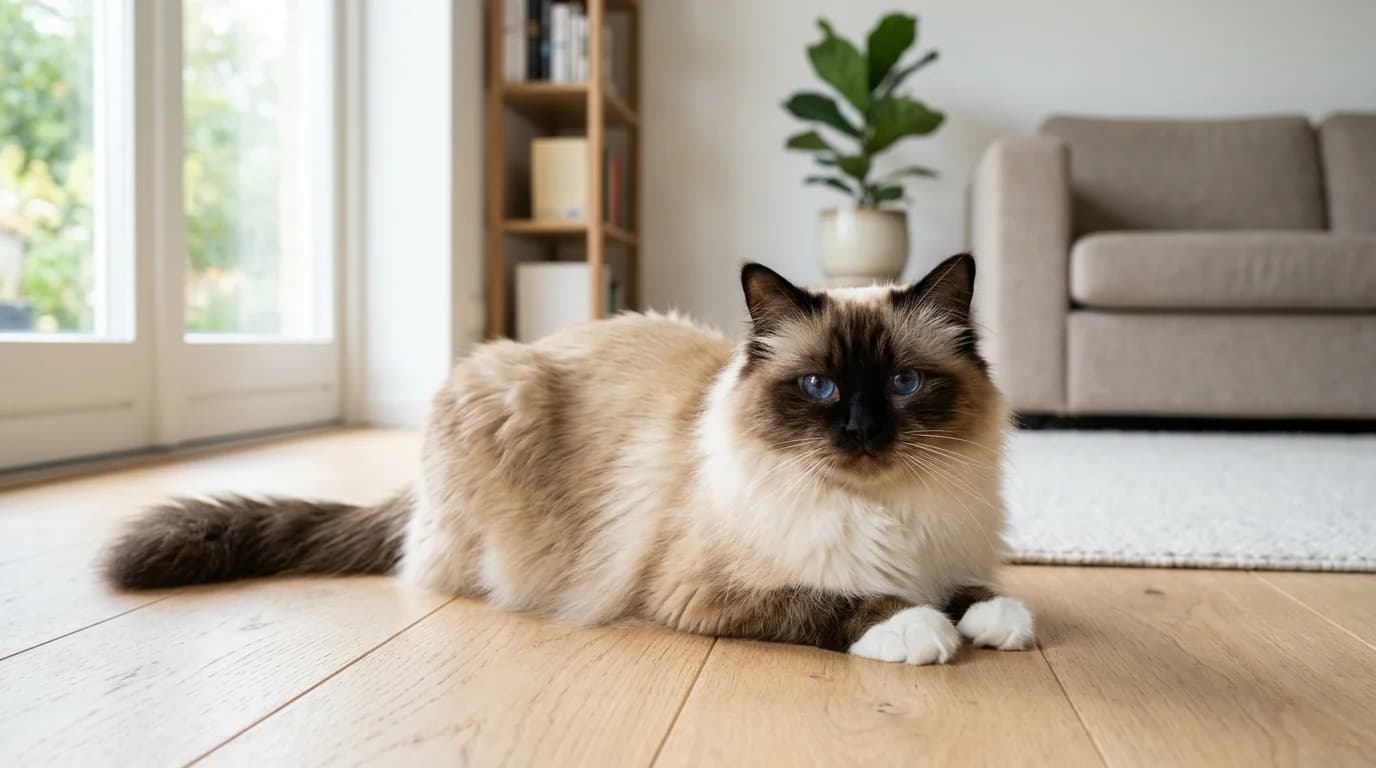
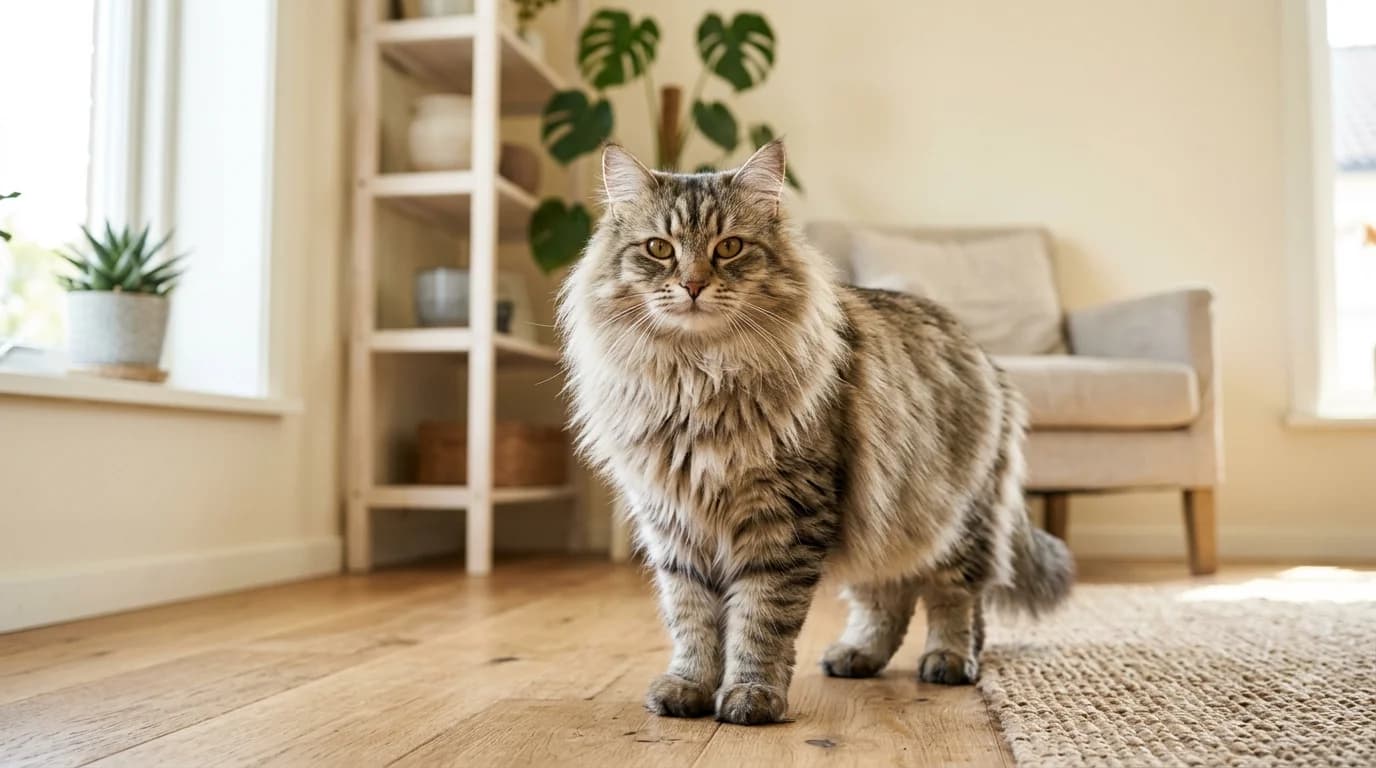
The Maine Coon is a standout choice -- a large, easygoing cat that bonds deeply with all family members and handles rowdy households with calm. Ragdolls live up to their name: they go relaxed when held, making them a safe pick even for younger children learning how to handle cats. The Birman is another strong contender, combining a patient nature with genuine affection for both children and other animals.
Before choosing, consider how many hours the cat will be alone each day, the ages of your children, and whether other pets are in the home. A sociable breed in a lonely environment still struggles.
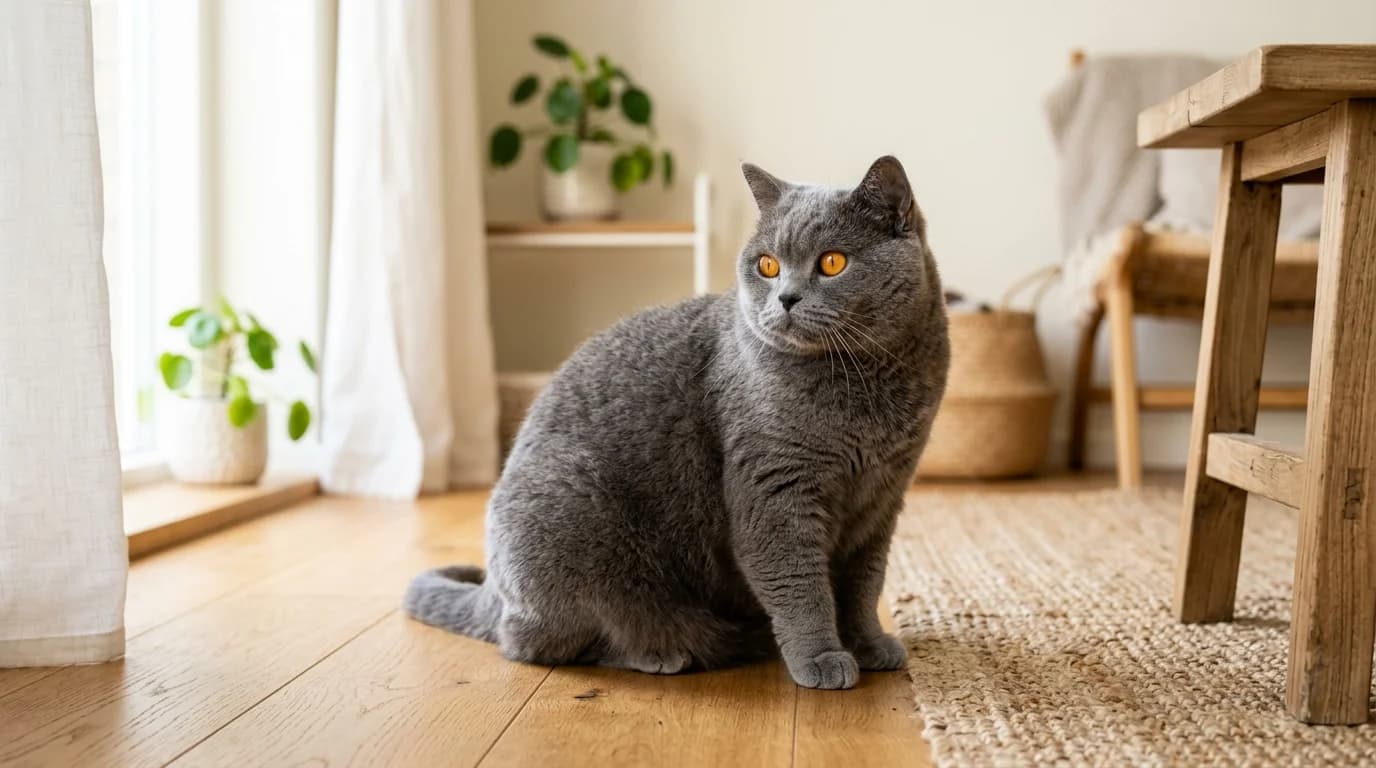
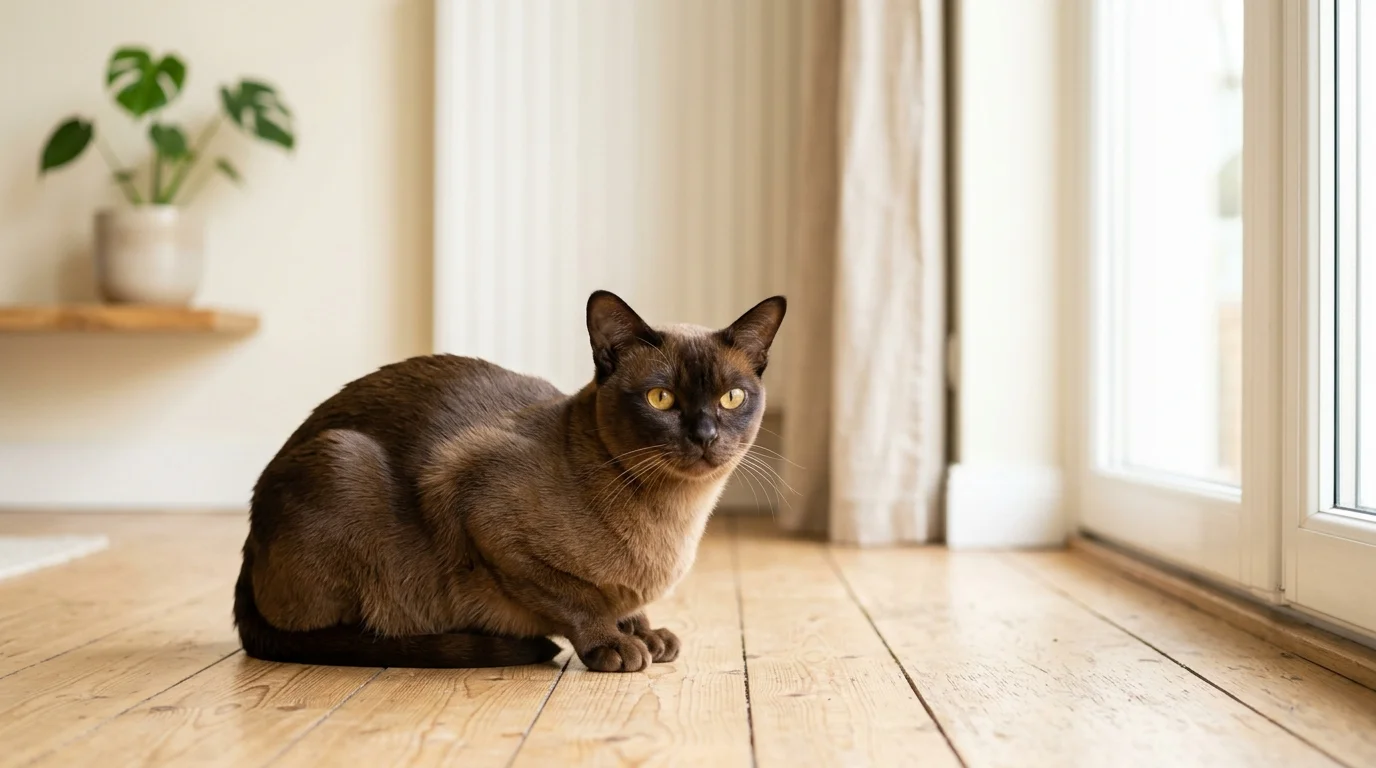
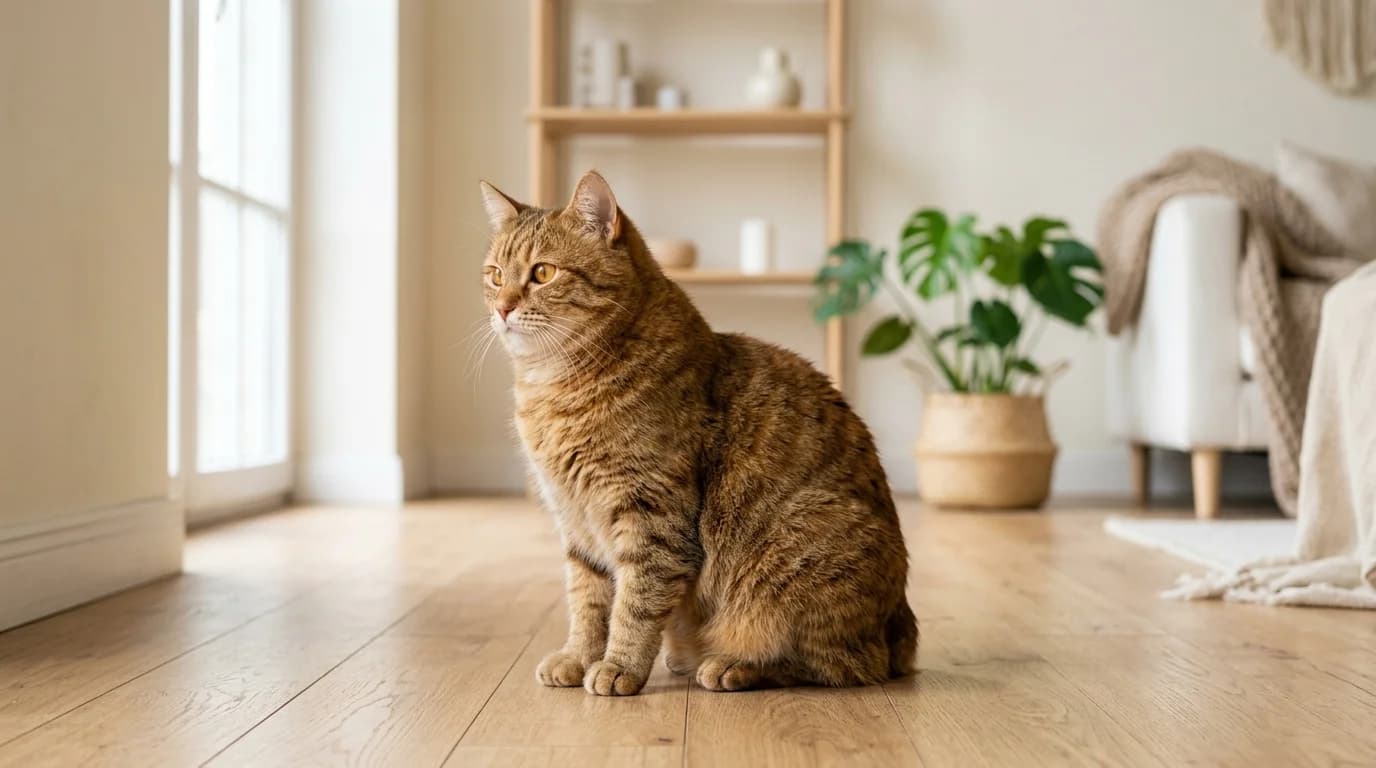
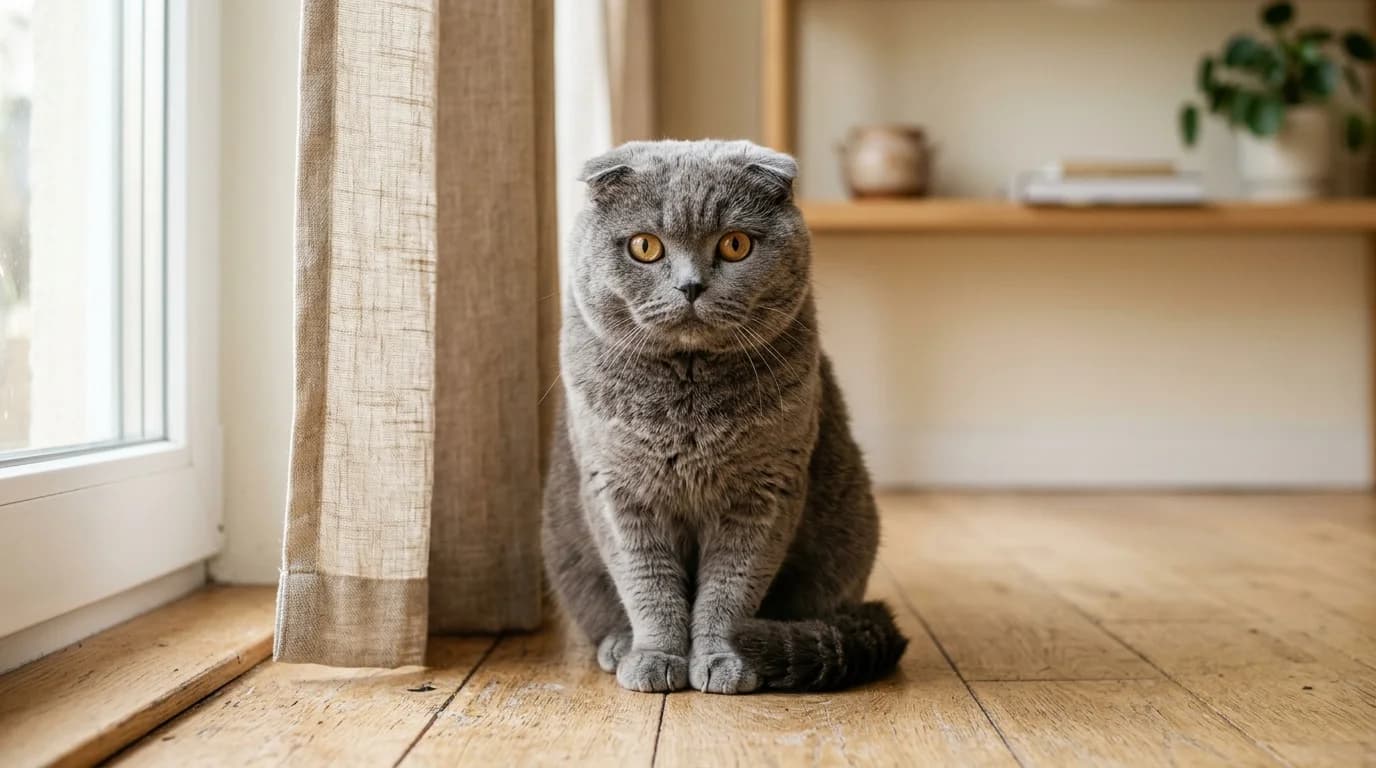
10 matching breeds
Frequently asked questions
Which cat breeds are safest with young children?
Breeds consistently recommended for young children include the Ragdoll, Maine Coon, Birman, and Burmese. These breeds share a high tolerance for handling, gentle temperaments, and a tendency to stay calm rather than scratch or flee when startled. Ragdolls in particular go limp when picked up, which reduces the risk of defensive scratching. That said, no cat should be left unsupervised with very young children regardless of breed. Teaching children how to approach and handle a cat calmly is just as important as choosing the right breed.
Is one cat or two better for a family with kids?
For most families, a pair of cats works well -- especially if the children are at school for much of the day. Two cats can keep each other company, reducing boredom-driven behaviors like excessive meowing or destructive play. Bonded pairs from the same litter often adapt faster to a busy household. If you are getting a single cat, choose a sociable breed like a Burmese or Maine Coon that actively seeks human interaction rather than an independent breed that may find a lively household stressful.
Are exotic breeds suitable for families?
Some exotic breeds are excellent family cats; others are a poor match. The Bengal, for example, is highly active and intelligent -- great for engaged families willing to spend time on interactive play, but potentially destructive if under-stimulated. The Scottish Fold is laid-back and adaptable, making it a solid family choice. Breeds like the Savannah cat are better suited to experienced cat owners who can meet their high activity and space requirements. Research the specific energy level and social needs of any exotic breed before committing.
Do family-friendly cats also get along with dogs?
Many family-friendly breeds adapt well to dogs, particularly when introduced gradually. Maine Coons, Ragdolls, and Birmans are regularly cited as breeds that coexist peacefully with dog-friendly dogs. The key is the introduction process: keep the cat and dog separated initially, allow scent exchanges, and let the cat set the pace for face-to-face contact. A confident, social cat breed is far more likely to hold its ground calmly than flee -- which can trigger a dog's chase instinct.
How do I know if a cat has a good temperament before I bring it home?
Visit the kitten or adult cat in person if possible. Observe how it responds to handling by strangers, loud sounds, and other animals at the breeder or shelter. A well-socialized kitten exposed to children and activity during the first eight to twelve weeks of life adapts much better to family environments. Ask the breeder or rescue about the cat's background and whether it has already lived with children or dogs. Reputable breeders will be honest about individual personality differences within the breed.