Topic guide
Quiet and calm cat breeds
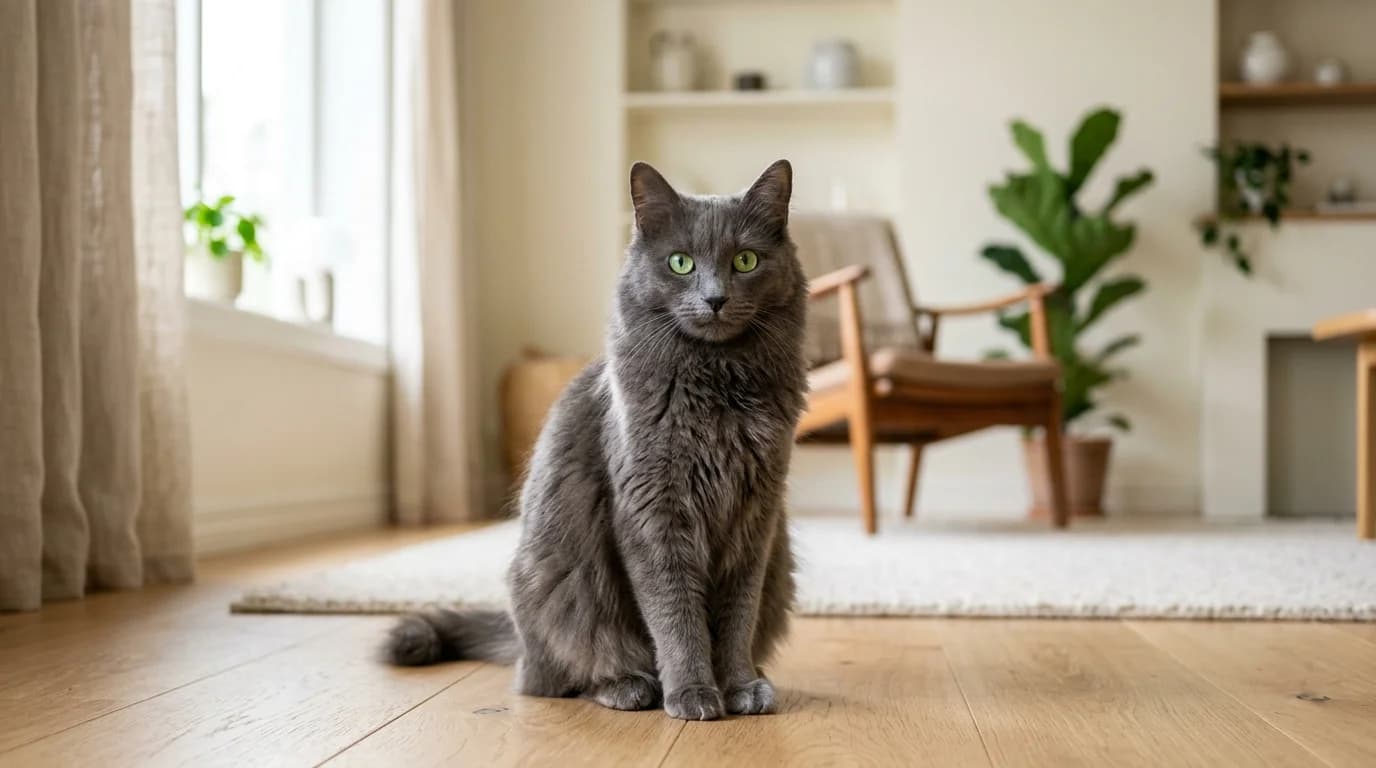
Soft-spoken, placid breeds that prefer peaceful homes and rarely vocalize or demand attention.
This page is for people who want a cat that brings calm into their home -- one that is gentle, undemanding, and happy to simply exist alongside you without constant noise or high-maintenance energy.
Quiet, calm cats make excellent companions for people who live alone, work from home, or simply prefer a relaxed household atmosphere. They are also a sensible choice for shared living situations where loud, insistent vocalization would be a genuine problem.
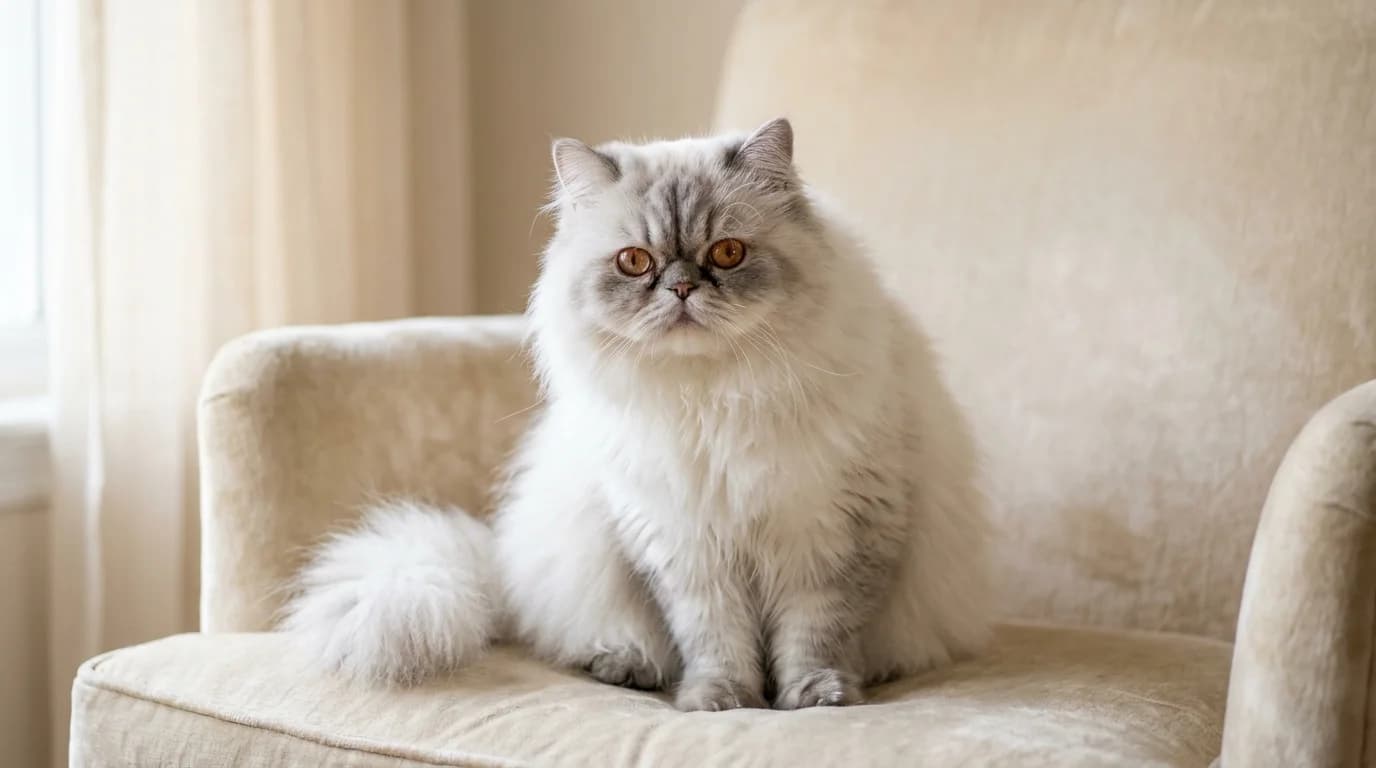
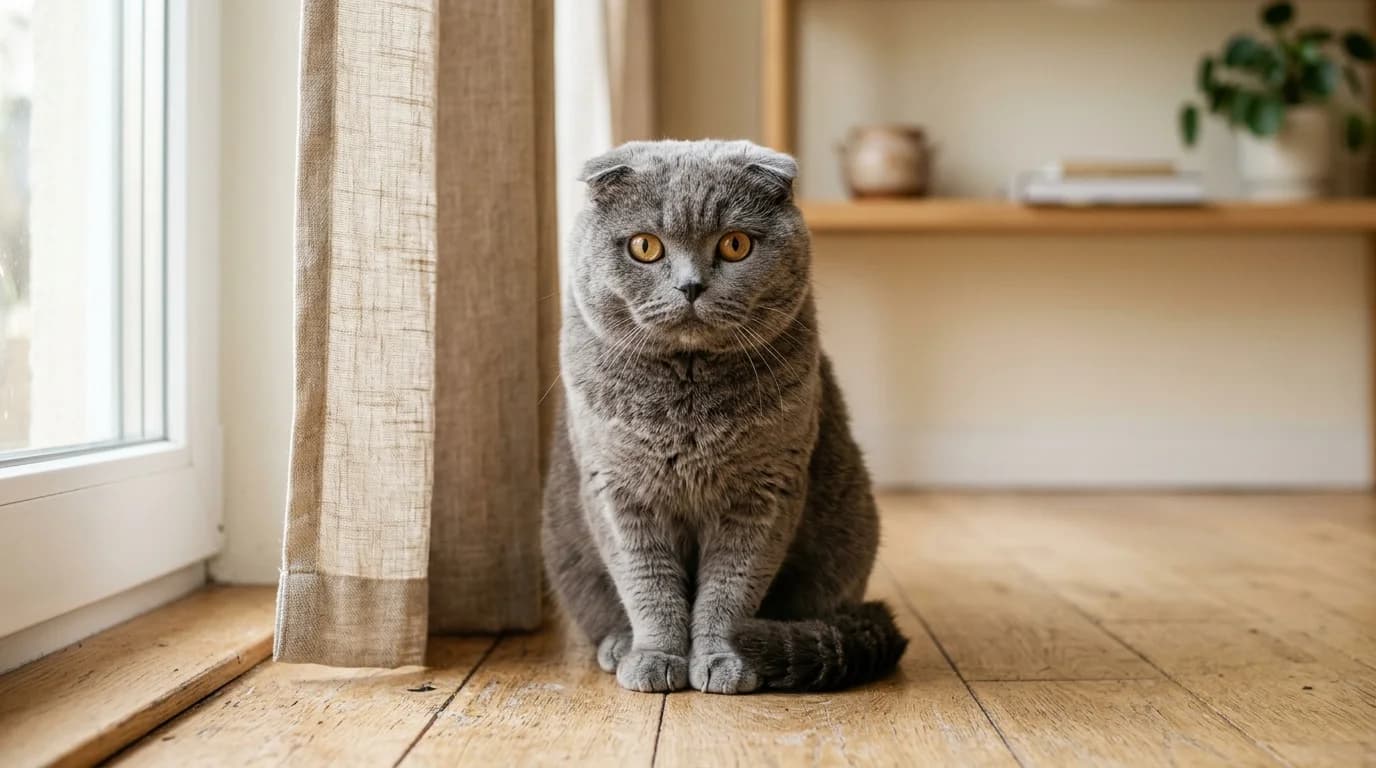
When looking at calm breeds, pay attention to both vocalization and energy level separately -- some cats are quiet but highly active (like the Scottish Fold), while others are both quiet and genuinely low-energy (like the Persian). Choose based on which trait matters most for your situation.
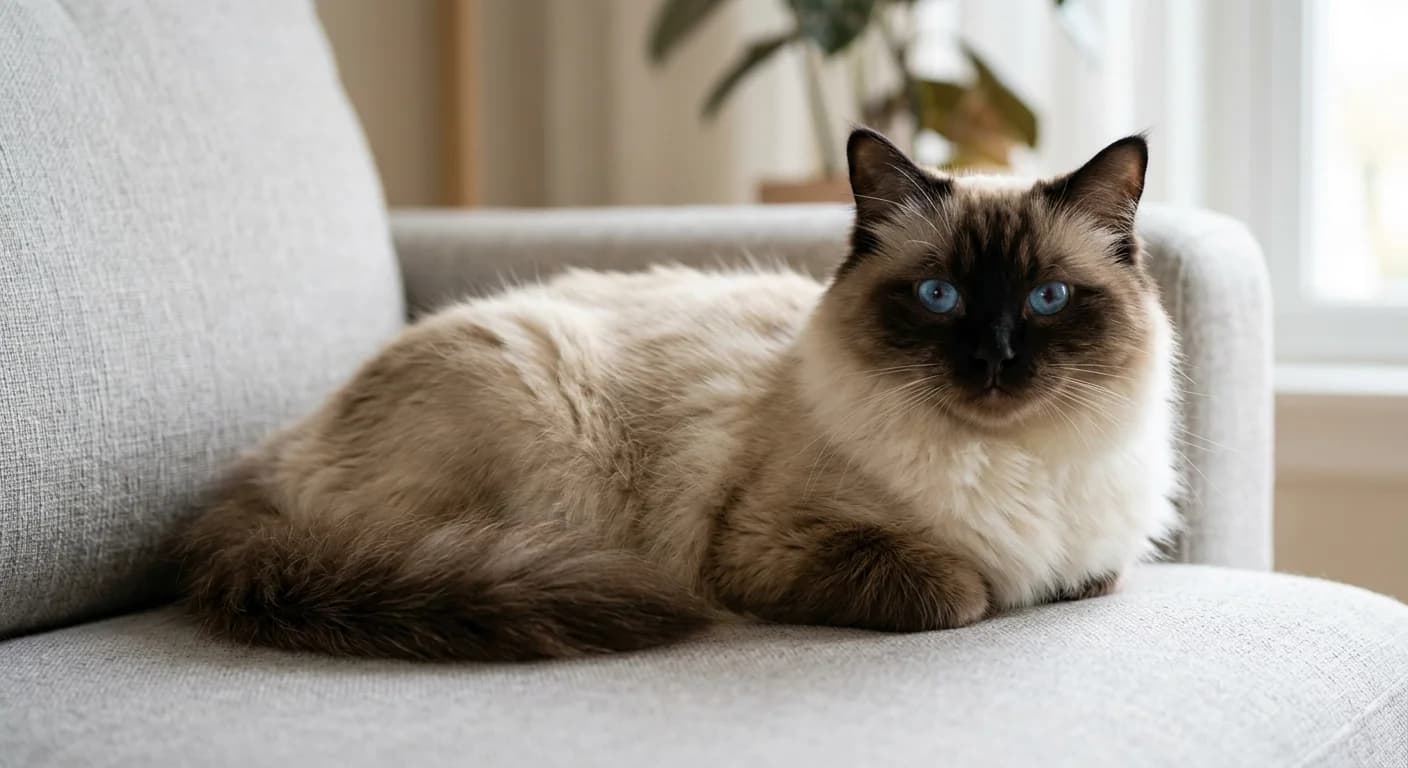
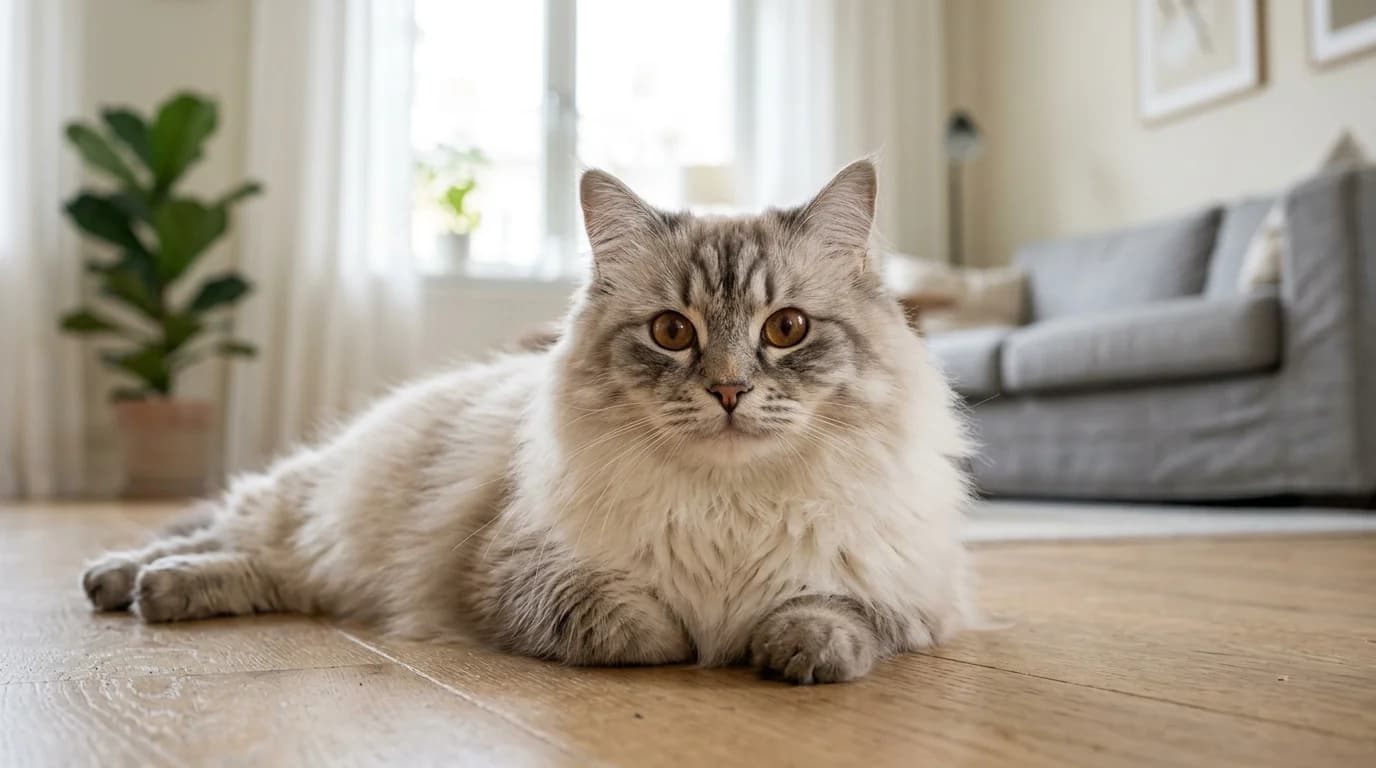
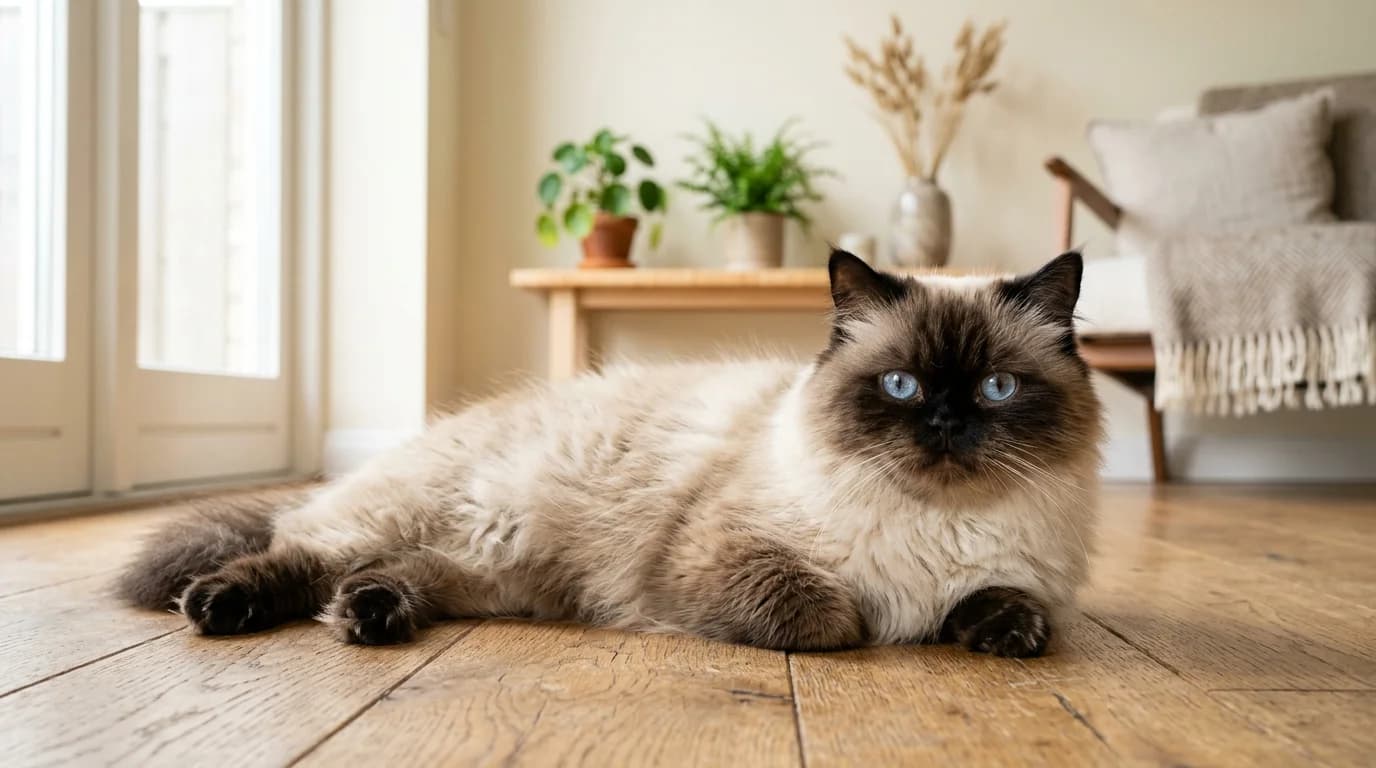
The Persian is the archetype of a calm cat: famously placid, rarely vocal, and perfectly content with a quiet, predictable routine. The Ragdoll is another benchmark -- their name reflects their relaxed response to handling, and they communicate with soft, infrequent vocalizations. The Birman rounds out the trio: gentle with both people and other animals, calm in demeanor, and content to observe rather than demand.
One thing to keep in mind: very calm breeds can be more sensitive to disruption og stress than bold, active breeds. A quiet Persian in a chaotic, frequently changing household may struggle more than a confident Maine Coon.
10 matching breeds
Frequently asked questions
Which cat breeds are the least vocal?
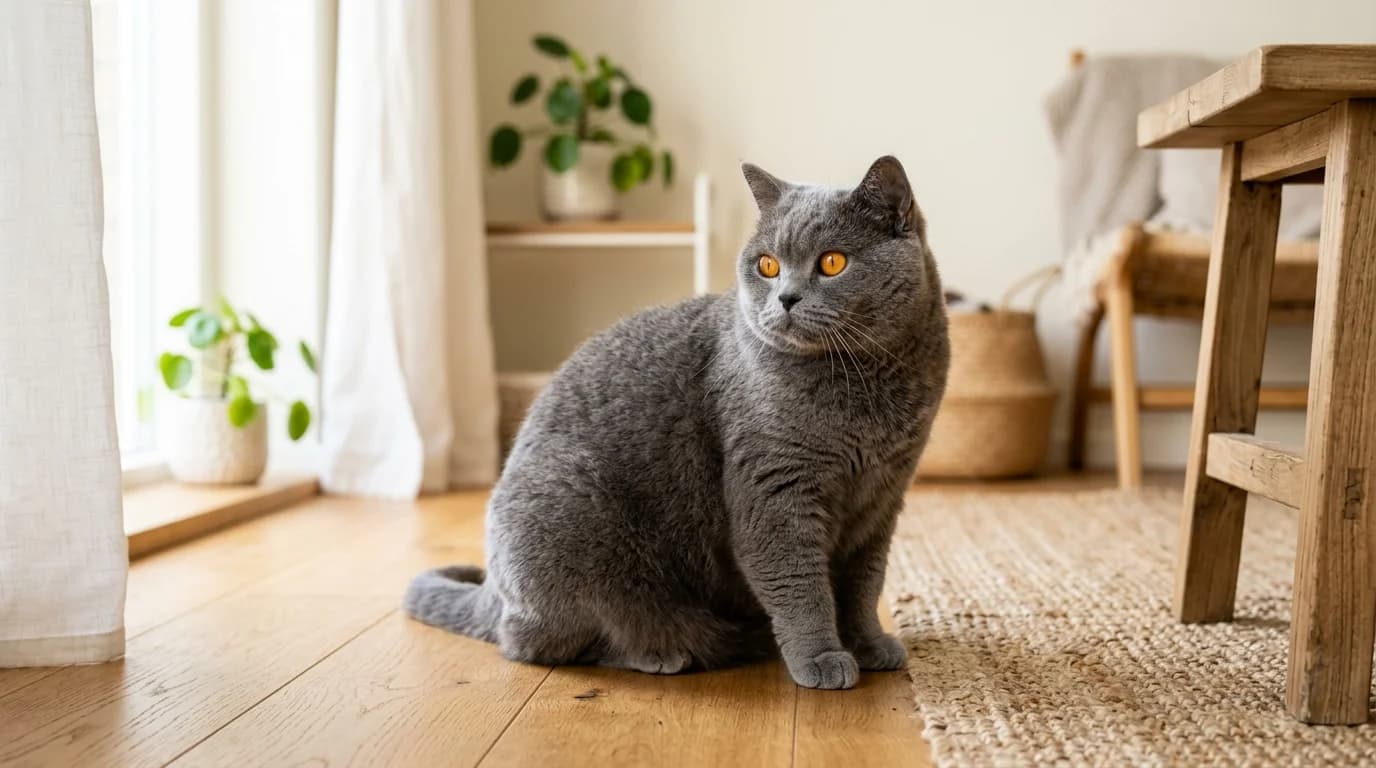
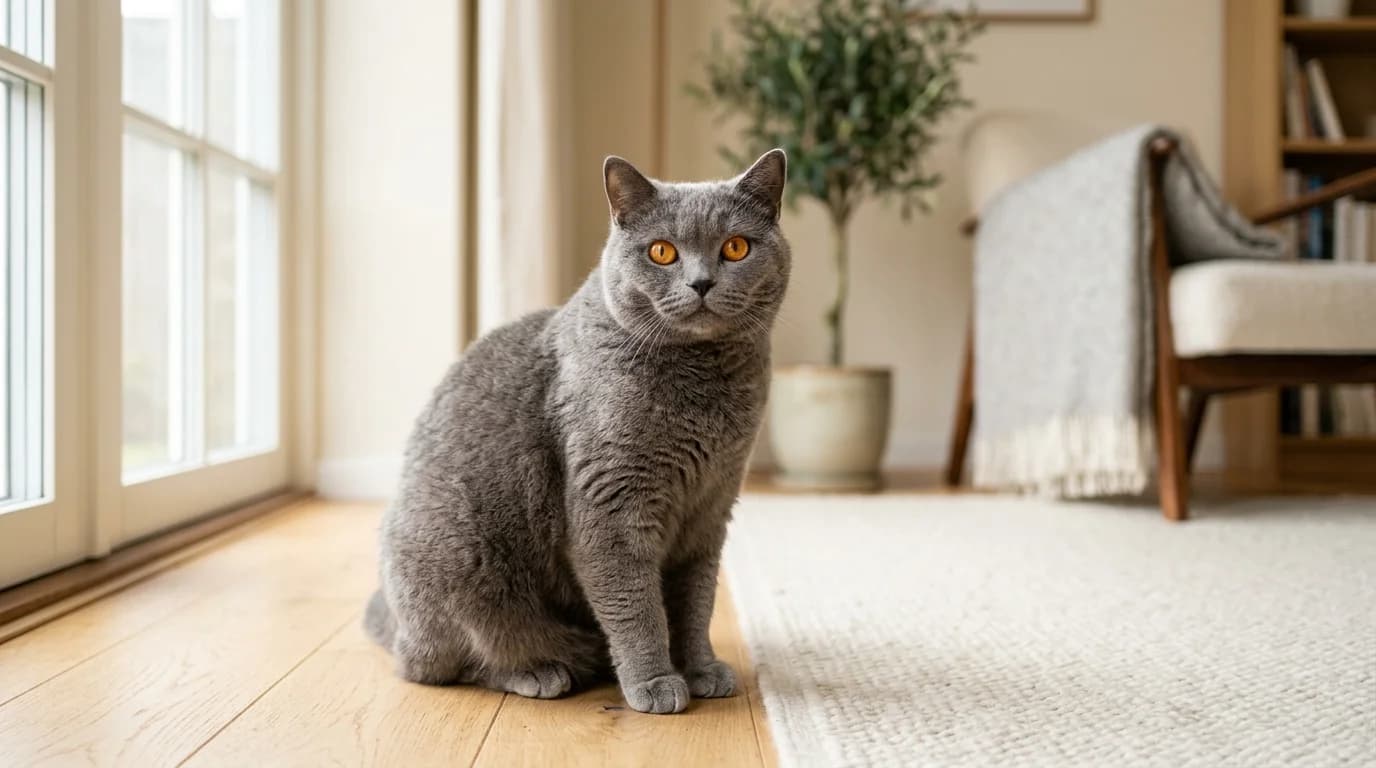
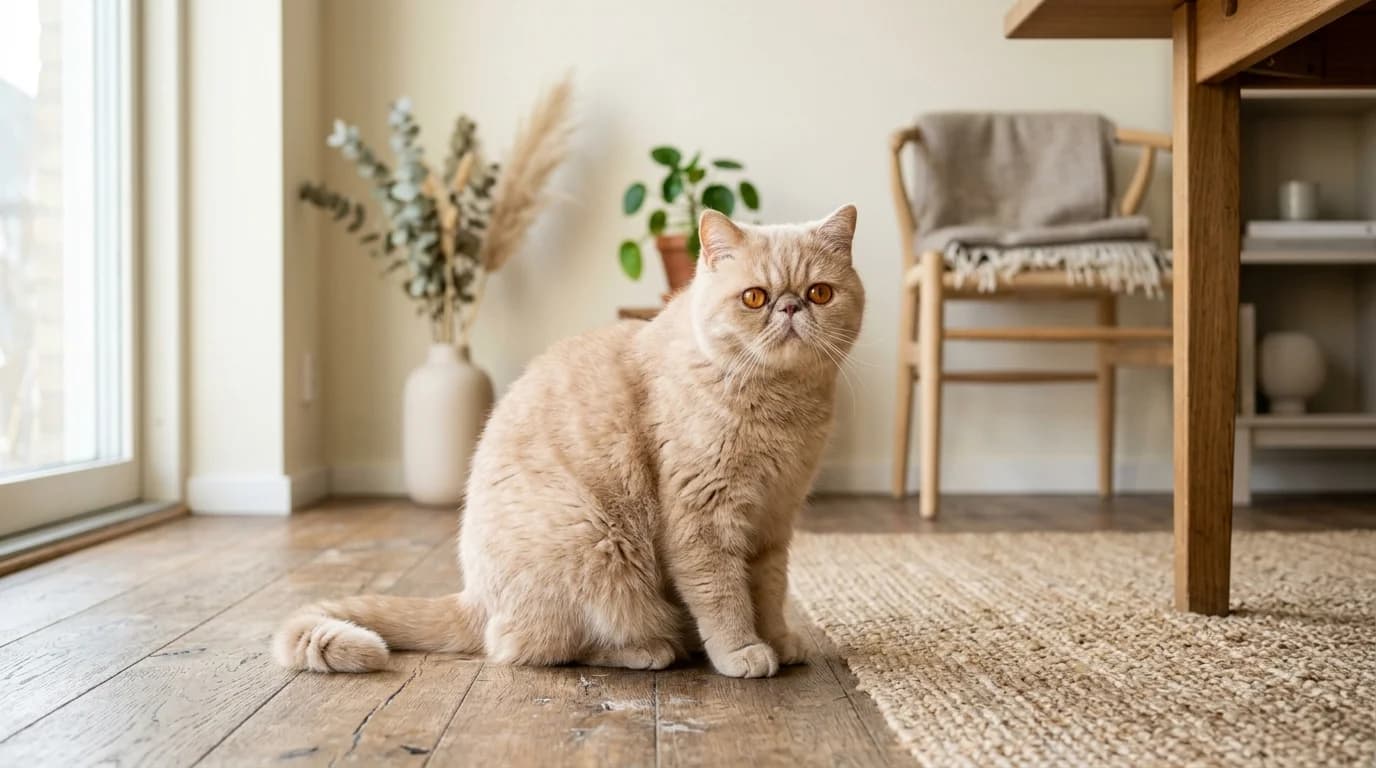
The Persian, Ragdoll, British Shorthair, Birman, and Exotic Shorthair are consistently ranked among the quietest breeds. These cats communicate rarely and when they do, use soft chirps or gentle purrs rather than loud, persistent meowing. In contrast, Siamese, Oriental Shorthairs, and Bengals are among the most vocal breeds and will make their needs known loudly. If low vocalization is a priority -- especially for apartment living or noise-sensitive households -- it is worth specifically selecting for this trait rather than assuming any cat will be quiet.
Are calm cats still affectionate?
Yes -- calm does not mean distant. The Ragdoll, Birman, and Persian are all known for being deeply affectionate, they simply express it quietly. Rather than following you around loudly demanding attention, they tend to settle near you, seek gentle contact, and purr. The British Shorthair is slightly less overtly cuddly but still bonds strongly with its household and shows affection on its own terms. If you want a lap cat that is also quiet, the Ragdoll or Birman is a particularly reliable combination of both traits.
Do calm cats get stressed in busy households?
Some do, particularly breeds that prefer predictable routines like the Persian. If your home has frequent visitors, loud children, or a chaotic schedule, a very gentle, sensitive breed may withdraw and show chronic stress signs: hiding, reduced appetite, or over-grooming. A better match for a lively but quieter household might be the Maine Coon, which is calm and gentle but also confident and socially resilient. Assessing your household's actual noise and disruption level honestly before choosing a very calm breed prevents a poor match.
Can a quiet cat breed become more vocal over time?
Yes, in certain situations. Any cat can become more vocal if its core needs are not being met -- hunger, boredom, pain, or medical conditions like hyperthyroidism can all cause increased vocalization in typically quiet breeds. Senior cats sometimes vocalize more due to cognitive changes or hearing loss. If a normally quiet cat becomes suddenly or persistently vocal, a veterinary check is warranted before assuming it is behavioral. Within their normal healthy baseline, quiet breeds remain reliably quiet throughout their lives.
Are calm cats easier to manage around guests?
Generally yes. Calm, gentle breeds like the Ragdoll and Birman tend to tolerate new people without fleeing or behaving defensively. Some, like the Ragdoll, will actually approach and investigate unfamiliar visitors with curiosity. The Persian may withdraw to a quiet room but rarely reacts aggressively. Bold, confident calm breeds handle social occasions well; very shy calm breeds may need a safe retreat space set up before guests arrive. A calm breed that was well-socialized as a kitten -- exposed to different people and situations early -- is the most reliable in social situations.