Topic guide
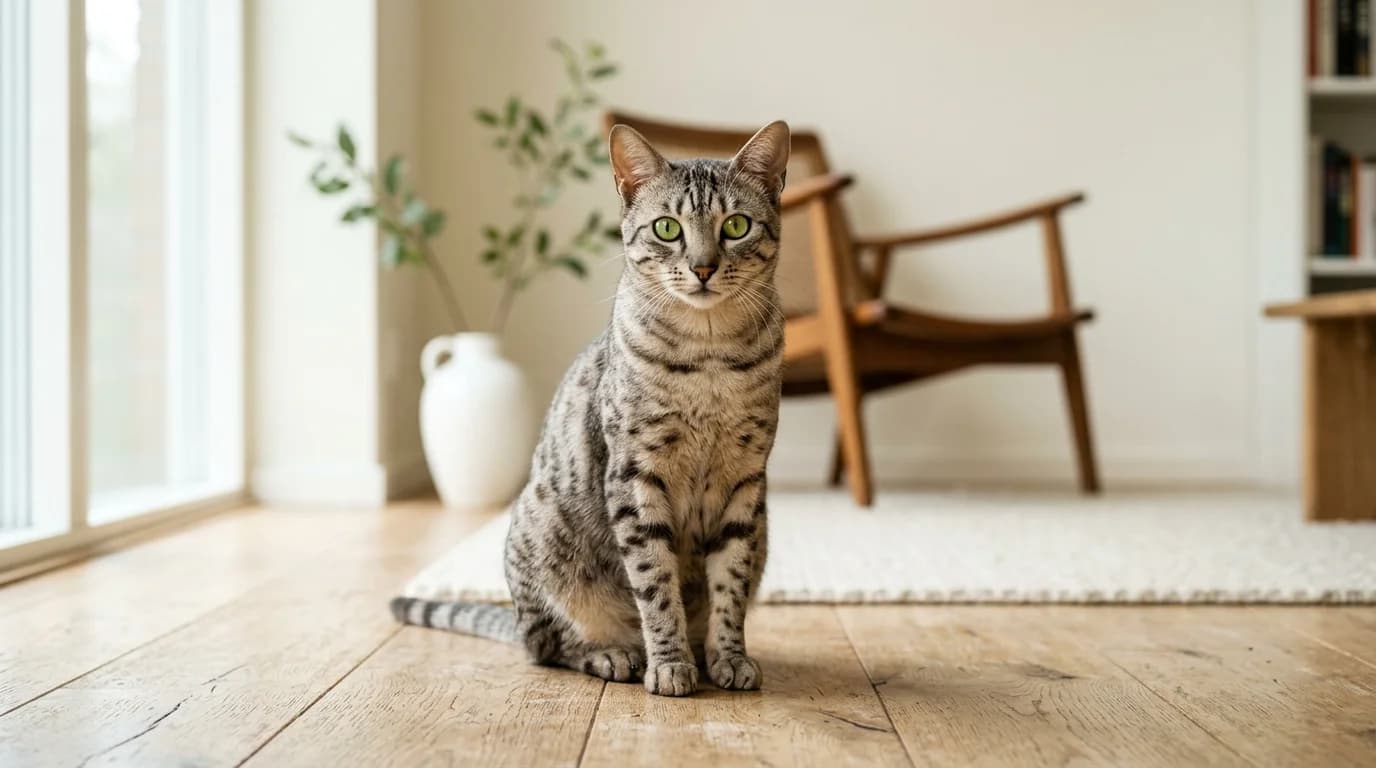
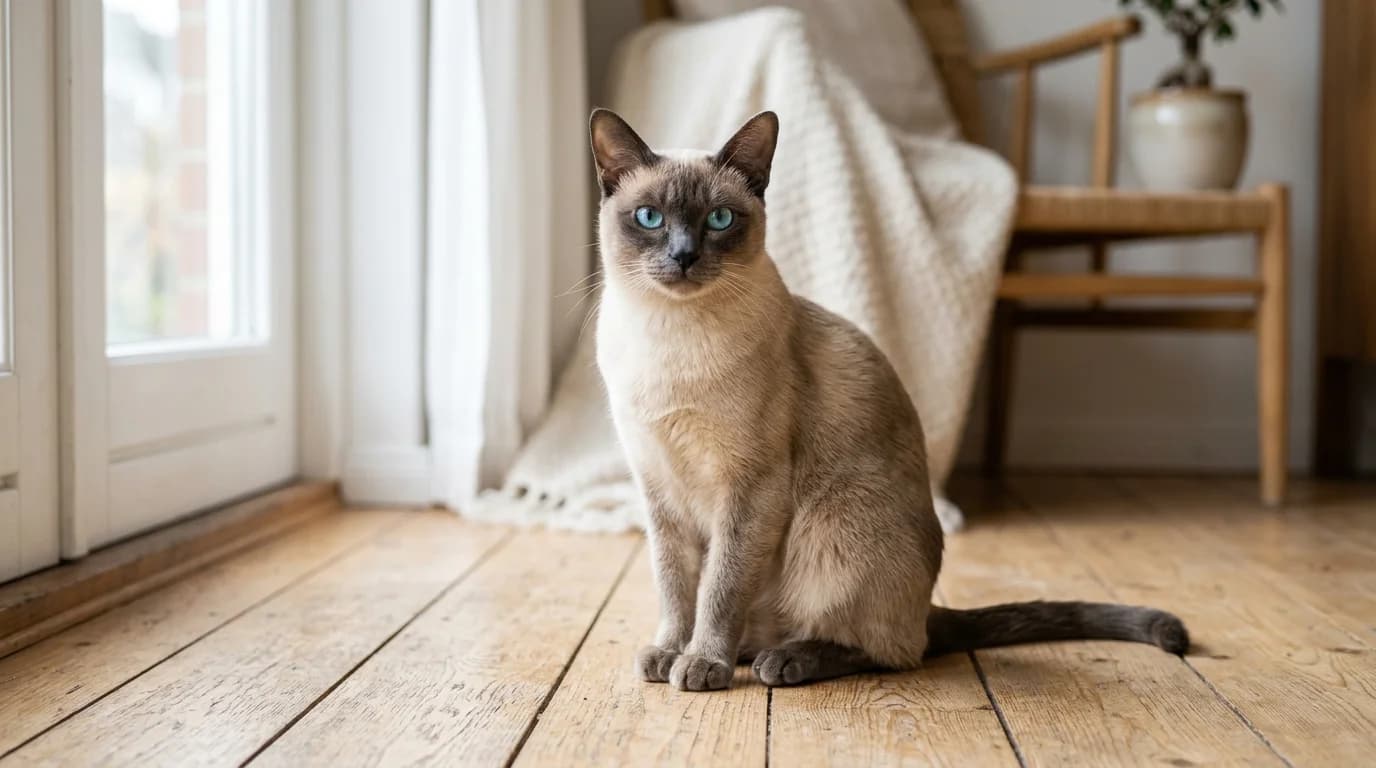
Short-haired cat breeds
Sleek, low-shedding breeds with coats that stay groomed with minimal effort.
This page is for people who want a lower-grooming cat -- one with an easy-care coat that fits a busy lifestyle without sacrificing personality or looks.
Short-haired cats are the most popular category in most countries, and for good reason: they cover the full range of personalities, sizes, and temperaments while requiring only minimal coat maintenance. A short-haired cat in good health typically needs brushing once or twice a week to remove loose hair, and that is largely the extent of coat care.
What varies within the short-haired category is everything else: energy level, sociability, vocalization, and build. "Short-haired" is a coat type, not a personality trait -- so it is worth looking carefully at the individual breed rather than treating the category as homogenous.
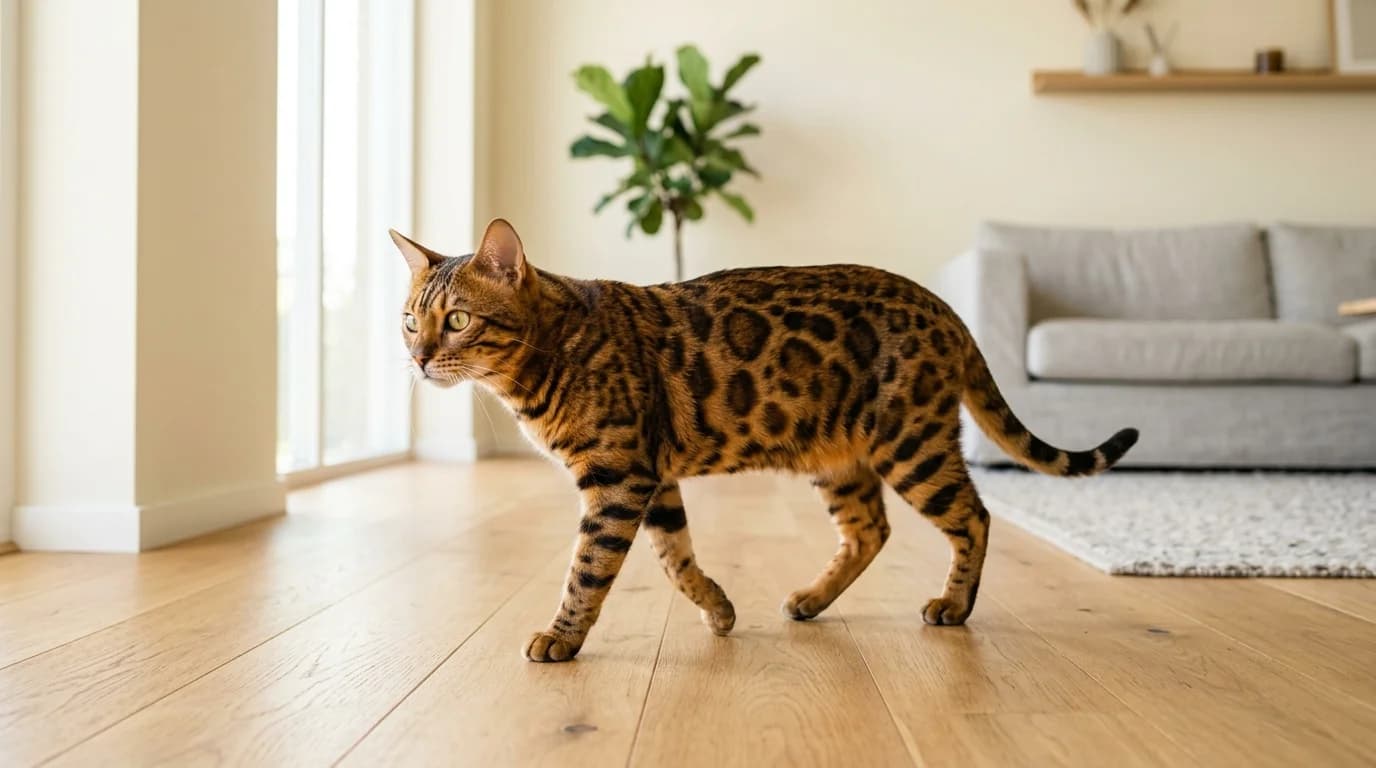
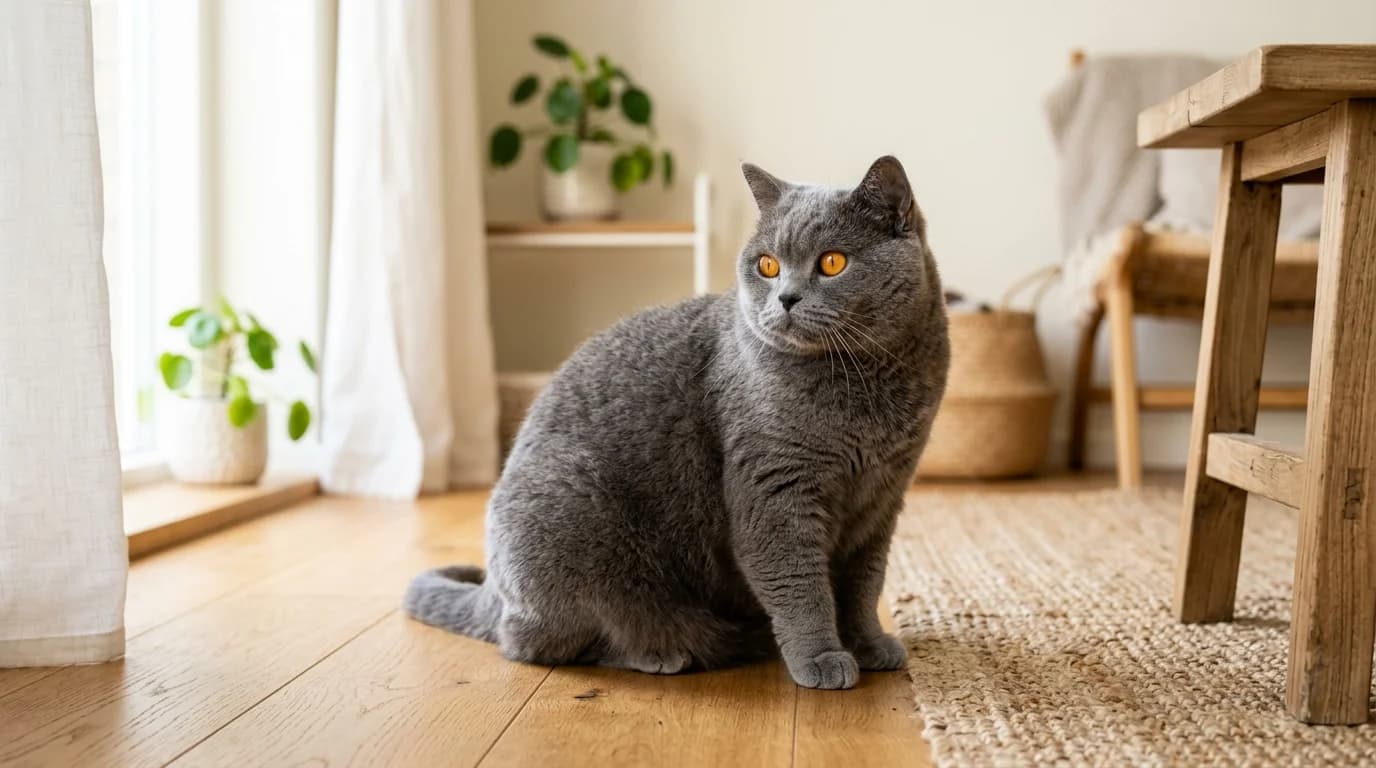
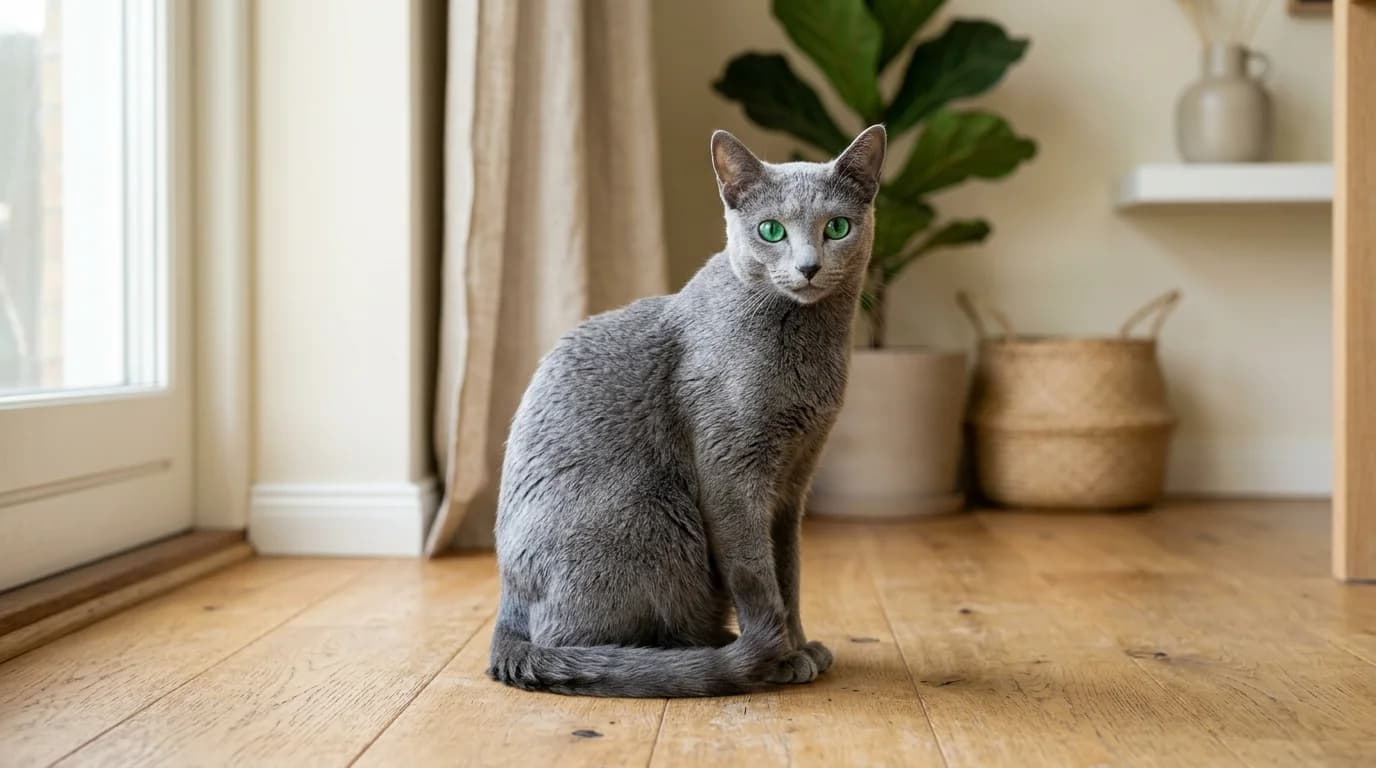
The British Shorthair is the most widely recommended short-haired breed: dense, plush coat, calm temperament, and minimal shedding outside of seasonal changes. The Bengal brings a wild-pattern coat and high-energy personality to the short-haired category. The Russian Blue offers an exceptionally soft double coat that sheds less than most short-haired breeds and suits quieter households.
For allergy-prone households: while no short-haired breed is truly hypoallergenic, breeds with denser or curlier coats (like the Cornish Rex or Devon Rex) tend to spread less airborne allergen than typical short-haired breeds, because loose hair and dander are trapped closer to the body.
10 matching breeds
Frequently asked questions
Do short-haired cats still shed?
Yes -- all cats shed to some degree, including short-haired breeds. The amount varies by breed, individual, season, and health. Short-haired breeds generally shed less visibly than long-haired breeds simply because individual hairs are shorter and less noticeable on clothing and furniture. Seasonal shedding in spring is common across most breeds. Regular brushing once or twice a week removes loose hair before it ends up around your home and reduces hairball formation. Breeds like the Russian Blue and Devon Rex shed notably less than typical short-haired cats.
Are short-haired cats better for people with allergies?
Coat length itself is not the primary driver of allergic reactions to cats -- the protein Fel d 1, produced in a cat's saliva and skin glands, is. However, short-haired breeds typically spread less airborne allergen through the environment than long-haired breeds, because there is less fur surface to carry it. Curly-coated short-haired breeds like the Cornish Rex and Devon Rex may be better tolerated by some allergy sufferers because their coat traps dander close to the body rather than releasing it into the air. For allergy-related breed selection, check the hypoallergenic category for breeds specifically studied for lower Fel d 1 production.
How much grooming does a short-haired cat actually need?
A healthy short-haired cat needs brushing once or twice a week to remove loose hair and distribute skin oils. During spring and autumn coat changes, increasing to every other day helps manage shedding. Beyond brushing: nail trimming every 3-4 weeks, ear checks monthly, and dental hygiene a few times a week if possible. Short-haired cats that groom themselves well may need less intervention, but regular brushing also serves as a bonding activity and lets you notice any coat or skin changes early. Total active grooming time is typically under 20 minutes per week.
What is the most popular short-haired cat breed?
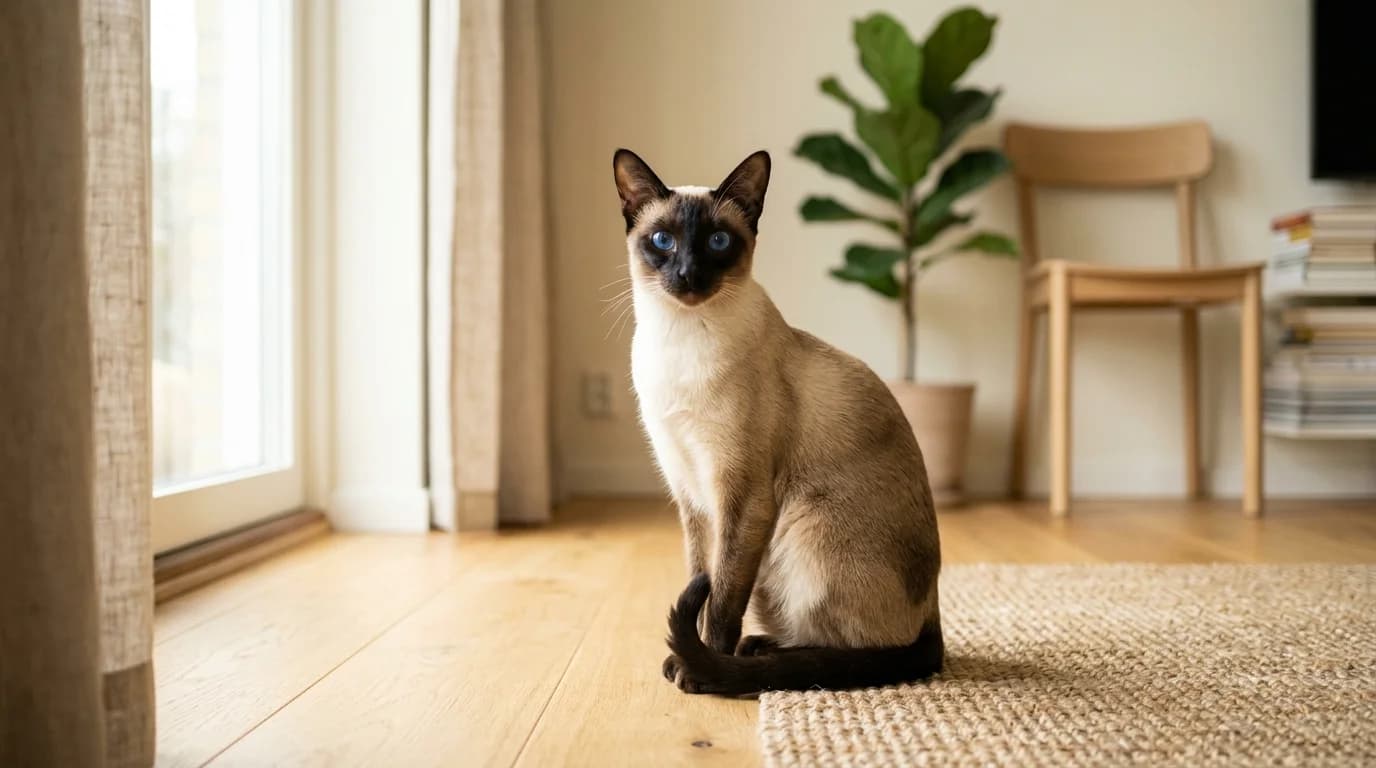
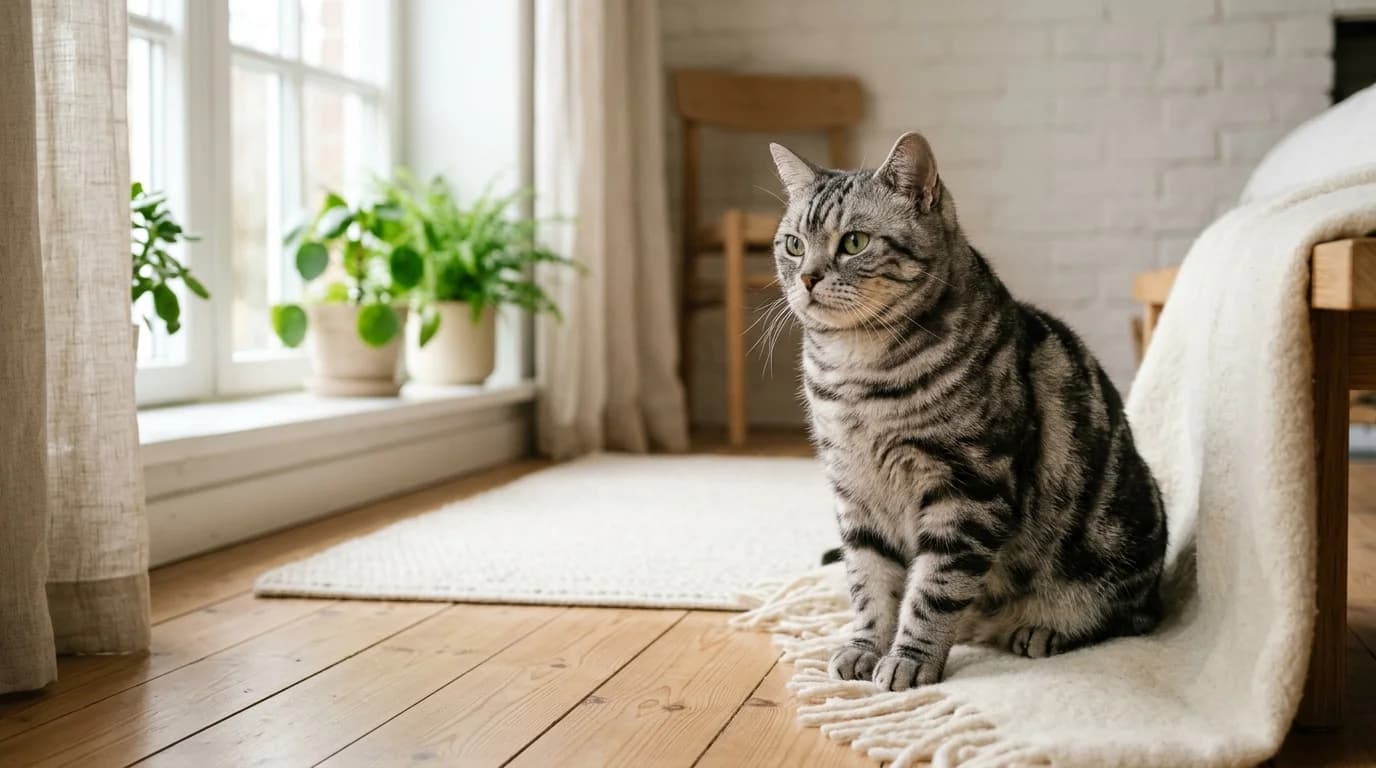
The British Shorthair is consistently among the most popular pedigree short-haired breeds in Europe and many other markets. Its calm, adaptable temperament and low-maintenance plush coat make it a reliable choice for a wide range of households. The Siamese is one of the most historically recognized short-haired breeds worldwide. The American Shorthair is the most common pedigree breed in North America. Beyond pedigrees, domestic short-haired cats (mixed-breed short-haired cats) make up the largest single group of owned cats globally and are as varied in personality as they are common.
Do short-haired cats need less veterinary care?
Coat length does not directly affect veterinary care requirements -- health needs are driven by genetics, breed-specific conditions, and individual health rather than coat type. That said, some long-haired breeds have grooming-related health risks (skin infections under mats, for example) that short-haired breeds are less prone to. Flat-faced breeds like the Persian or Exotic Shorthair -- despite the latter being short-haired -- carry structural health risks around breathing and eye drainage that require monitoring. A short-haired, non-brachycephalic breed with a clean genetic background (good breeder health testing) tends to have lower routine care complexity overall.