Selkirk Rex
patient, loving, playful, social
Quick Facts
- Lifespan
- 10-15 years
- Weight
- 3-7 kg
- Origin
- United States
- Coat
- Medium
Overview
The Selkirk Rex is the most recent of the rex breeds and the only one with a dominant curly-coat gene. Born from a spontaneous mutation in Montana in 1986, this breed is lovingly nicknamed the "cat in sheep's clothing" for its plush, tousled curls. Unlike the lean Cornish and Devon Rex, the Selkirk has a sturdy, rounded build and a wonderfully patient, cuddly temperament that makes it a beloved family companion.
History & Origins
The Selkirk Rex traces its origins to a single curly-coated kitten born in a rescue litter in Montana in 1986. The kitten, later named Miss DePesto of NoFace, had curly whiskers and an unmistakably wavy coat. She was adopted by Persian breeder Jeri Newman, who crossed her with a black Persian male.
Of the six kittens produced, three had curly coats — confirming the mutation was dominant, unlike the recessive genes behind the Cornish and Devon Rex. Newman named the breed after her stepfather's family name, Selkirk, creating the Selkirk Rex.
TICA accepted the Selkirk Rex into its New Breed program in 1990 and granted full Championship status in 1994. The CFA accepted the breed for registration in 1992, achieving Championship status in 2000.
Appearance
The Selkirk Rex is a medium-to-large, muscular cat with a rounded, cobby body that distinguishes it from the lean rex breeds. Adults typically weigh 3–7 kg, with males considerably larger than females.
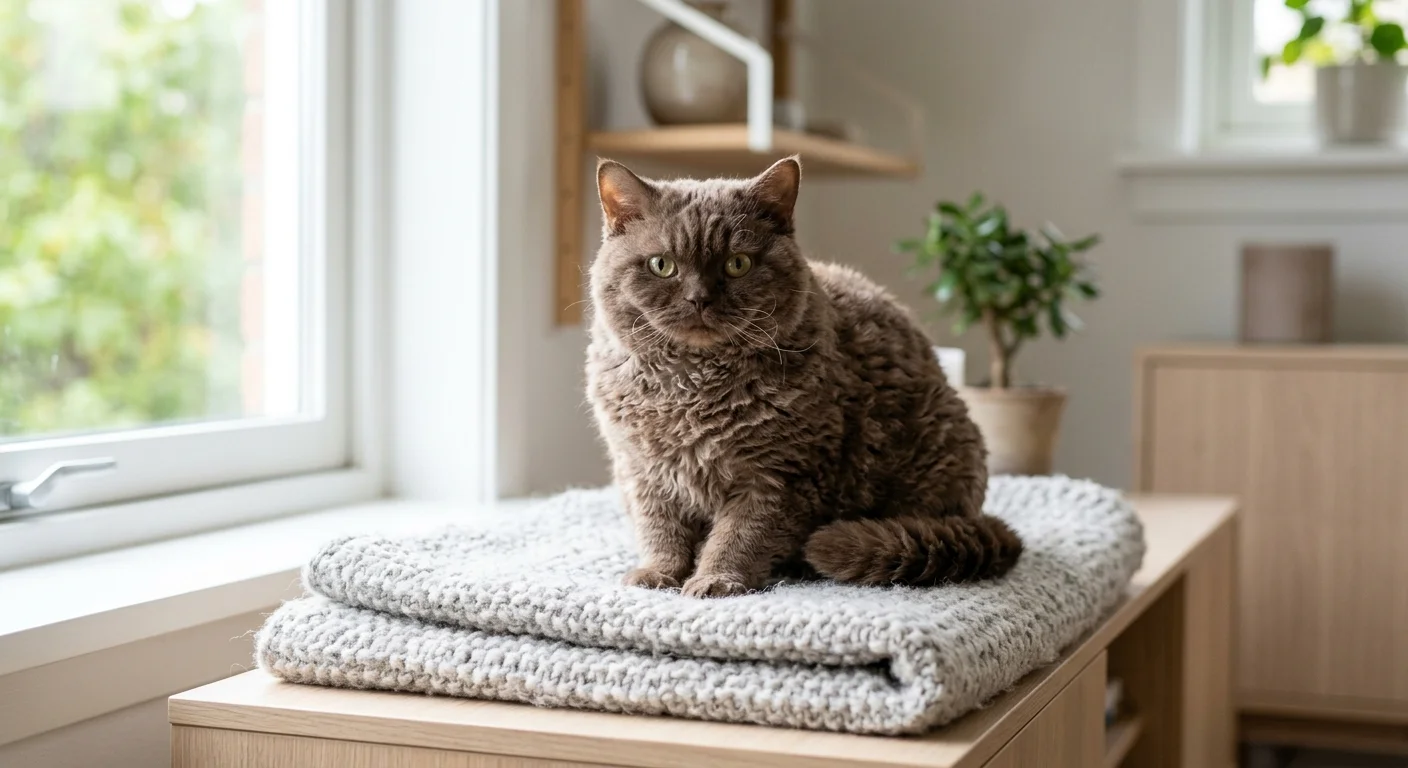
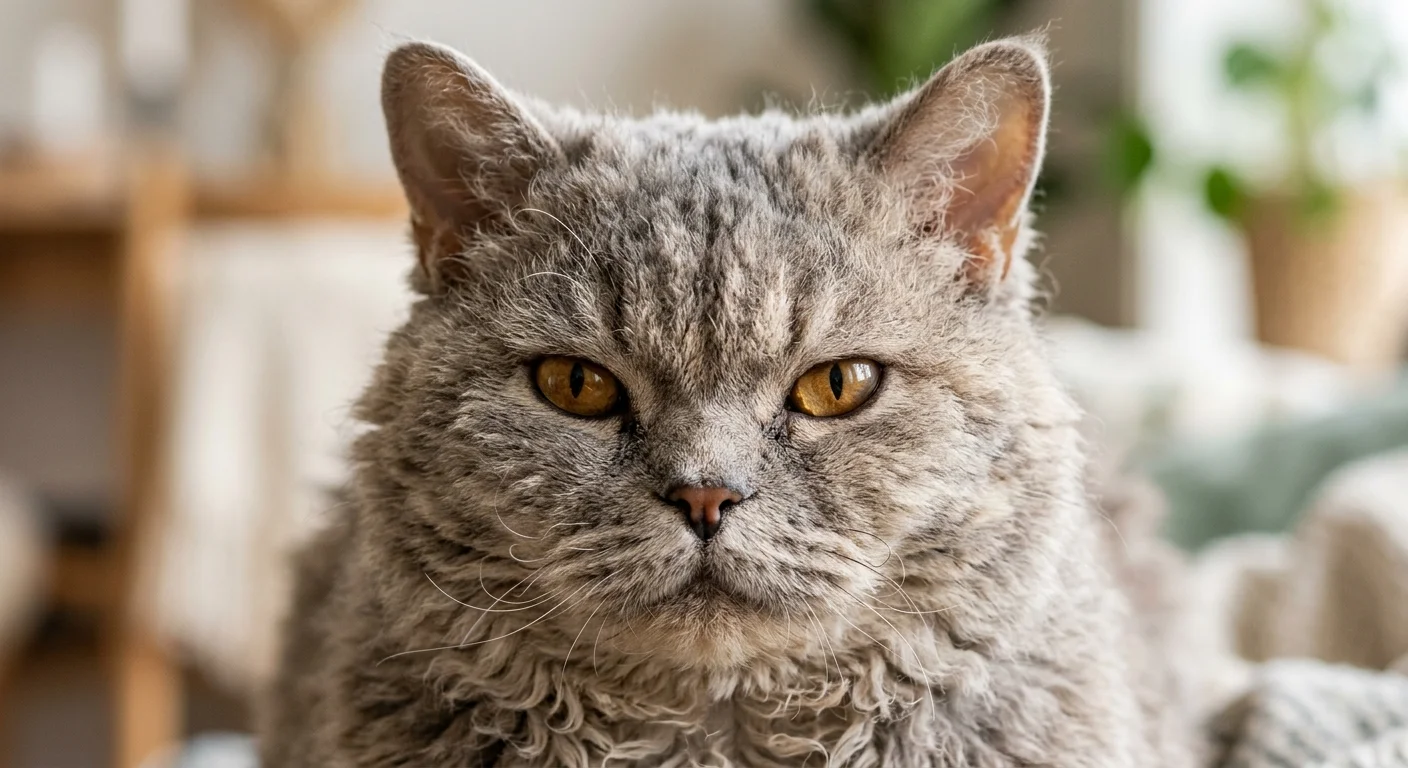
The most distinctive feature is the coat: soft, plush curls that are present across the entire body, including the whiskers and eyebrows. The coat comes in both shorthaired and longhaired varieties and in virtually all colours and patterns. The curls are loose and individual rather than tightly packed waves.
The head is large and round with full cheeks, a well-defined muzzle, and large, rounded eyes. The overall impression is of a plush, teddy bear-like cat — soft and substantial in equal measure.
Temperament
The Selkirk Rex is a cat of remarkable patience and warmth. Combining traits from the British Shorthair (laid-back and calm), the Persian (gentle and cuddly), and the Exotic Shorthair (playful and mischievous), the Selkirk offers something for everyone in the family.
Selkirks are deeply affectionate and enjoy physical closeness — they are genuine lap cats that will seek out cuddles at every opportunity. Despite their relaxed nature, they are also playful and enjoy interactive games, particularly with wand toys and puzzle feeders.
They are notably tolerant of children and other pets, making them one of the most family-friendly of all cat breeds. They are not prone to anxiety or excessive vocalization, and adapt well to new environments and routines.
Activity & Play
Activity Level and Exercise Needs
The Selkirk Rex sits comfortably in the moderate energy range. This breed is playful and curious without being hyperactive, making it an excellent fit for households that enjoy interactive cat ownership without the intensity of a Bengal or Abyssinian.
Daily Exercise
Plan for roughly 20 to 30 minutes of active play per day, split across two or three sessions. The Selkirk Rex is happy to initiate play but equally content to curl up once the session ends. They do not become destructive when under-stimulated the way higher-energy breeds can.
Play Styles
Selkirk Rex cats enjoy wand toys, feather teasers, and anything that mimics the movement of prey. They have a slightly goofy, enthusiastic approach to play that owners often find endearing. Puzzle feeders and treat-dispensing toys also hold their attention well.
Vertical Space
While not obsessive climbers, Selkirk Rex cats appreciate a cat tree or two. Mid-height perches where they can observe the household are favored over floor-level hiding spots. A window perch with an outdoor view provides passive mental stimulation throughout the day.
Indoor vs. Outdoor
The Selkirk Rex is best kept as an indoor cat. Their curly coat can pick up debris and matts more easily outdoors, and they lack the wariness of more independent breeds. A secure catio or leash walks in a harness are good compromises if outdoor time is desired.
Toys and Enrichment
Rotate toys every few days to maintain novelty. Crinkle balls, small plush mice, and interactive electronic toys all work well. This breed also enjoys human interaction during play, so scheduled play sessions strengthen the bond between cat and owner.
Grooming
The Selkirk Rex coat comes in both shorthaired and longhaired varieties, and both require thoughtful grooming to keep the characteristic curls looking their best.
Because the curls can tangle, combing two to three times per week is recommended rather than daily brushing, which can cause the coat to frizz. Wide-tooth combs work better than fine brushes for maintaining curl definition. Bathing once a month can help refresh the coat and reduce oil buildup.
Over-grooming or vigorous brushing will disturb the wave pattern and make the coat look frizzy rather than curly. Selkirk Rex kittens are born curly, but the coat may temporarily straighten during adolescence before the full adult curls return.
Health
The Selkirk Rex is generally a robust and healthy breed with a lifespan of 10–15 years. Because British Shorthairs and Exotic Shorthairs were used extensively in the breed's development — and remain allowable outcrosses — breeders routinely screen for conditions associated with those breeds.
Health conditions to be aware of include polycystic kidney disease (PKD), hypertrophic cardiomyopathy (HCM), and hip dysplasia. Responsible breeders test breeding cats for the PKD1 gene mutation and screen for HCM via echocardiogram.
The breed's sturdy build means obesity can be a concern if diet is not monitored. Regular veterinary check-ups and a measured feeding routine support long-term health.
Nutrition
Feeding Your Selkirk Rex
The Selkirk Rex is a medium to large breed with a solid, muscular build, and its diet should reflect that. Overfeeding is a genuine risk because this breed tends to be food-motivated and will eat beyond its caloric needs if given the opportunity.
Macronutrient Guidelines
As obligate carnivores, Selkirk Rex cats thrive on a diet where animal protein provides at least 35 to 40% of the dry matter content. Fat should account for around 15 to 20%, supplying essential fatty acids that support coat health. The breed's dense, curly coat benefits from omega-3 and omega-6 fatty acids, so a food with fish meal or supplemental fish oil is a good choice. Carbohydrates should be kept low and should not form the primary caloric source.
Wet vs. Dry Food
A combination of wet and dry food works well for most Selkirk Rex cats. Wet food contributes to daily water intake, which supports kidney function and urinary tract health. Dry food can be used as a top-up or in puzzle feeders to slow eating pace and provide mental stimulation. Avoid free-feeding dry kibble, as this makes portion control difficult.
Feeding Frequency
Adult Selkirk Rex cats do well with two measured meals per day. Kittens under 12 months benefit from three to four smaller meals to support their faster metabolism and growth. Always provide fresh water alongside every meal.
Breed-Specific Concerns
The Selkirk Rex has a tendency toward weight gain, so monitoring body condition regularly is important. You should be able to feel the ribs without pressing hard, and there should be a visible waist when viewed from above. If the cat is gaining weight, reduce portion size before switching foods. Consult a veterinarian before making significant dietary changes.
Family Fit
Is the Selkirk Rex Right for Your Family?
The Selkirk Rex is one of the most adaptable and sociable cat breeds, earning it a strong reputation as a family companion. Its patient, laid-back temperament makes it suitable for a wide range of households.
With Children
Selkirk Rex cats get along well with children who treat them respectfully. Their tolerant nature means they are less likely to scratch or hide when a young child approaches, though supervision is always recommended with toddlers. Older children who can engage them in structured play will find a willing and enthusiastic partner.
With Other Cats
This breed generally accepts other cats without significant territorial conflict. Introductions should be gradual, but the Selkirk Rex tends to be curious rather than aggressive toward new feline housemates. Multi-cat households work well provided each cat has its own feeding station and resting spots.
With Dogs
Selkirk Rex cats often coexist peacefully with dog-friendly dogs. Their calm confidence means they are less likely to flee, which can actually defuse tension with dogs that are triggered by chase. A proper introduction period and separate safe spaces for the cat are still important.
For Elderly Owners
This breed is an excellent choice for seniors. Their moderate energy level, affectionate nature, and love of lap time align well with quieter households. They are not demanding, but they do enjoy and seek out companionship.
For Apartments
The Selkirk Rex adapts well to apartment living. They do not need a large space to thrive, and their moderate activity level means they will not pace or vocalize out of frustration. A few enrichment items and regular play sessions are sufficient.
For First-Time Owners
Few breeds are better suited to new cat owners. The Selkirk Rex is forgiving, social, and straightforward in its needs. Grooming the curly coat requires some attention, but the breed's personality more than compensates for the extra brushing.
Fun Facts
- The Selkirk Rex is the only rex breed with a dominant curly-coat gene — meaning just one copy of the gene is enough to produce curls.
- The breed is nicknamed "the cat in sheep's clothing" for its plush, wooly appearance.
- Selkirk Rex kittens are born with curly coats, which may temporarily straighten during adolescence before returning in full.
- Even the Selkirk Rex's whiskers are curly — a uniquely endearing trait that kittens show from birth.
- The Selkirk Rex is named after the Selkirk Mountains, near the Montana ranch of the breeder who developed the breed.
FAQ
How long do Selkirk Rex cats live?
Selkirk Rex cats typically live 14 to 15 years with proper care. Some individuals reach 16 or older. Regular veterinary checkups, a balanced diet, and keeping them indoors all support a long, healthy life.
Do Selkirk Rex cats shed a lot?
Yes, the Selkirk Rex sheds a moderate to significant amount despite its curly coat. The curls trap some loose hair, but regular brushing two to three times per week is necessary to remove shed fur and prevent tangles. During seasonal changes, shedding increases noticeably.
Are Selkirk Rex cats vocal?
Selkirk Rex cats are moderately vocal. They will communicate their needs and greet their owners with soft chirps or trills, but they are not considered demanding or noisy. Their voice is pleasant and they use it in a conversational rather than insistent way.
Are Selkirk Rex cats hypoallergenic?
No. The Selkirk Rex produces Fel d 1 like all domestic cats and is not hypoallergenic. People with cat allergies should spend time with a specific cat before adopting to assess their individual reaction. The curly coat does not reduce allergen levels in the home.
How much does a Selkirk Rex kitten cost?
Kittens from reputable breeders typically range from $1,000 to $2,000. Rarer color combinations or show-quality cats may be priced higher. Adoption through a breed-specific rescue is a more affordable option when available.
Are Selkirk Rex cats easy to train?
Selkirk Rex cats are intelligent and can learn commands, tricks, and harness walking with patience and positive reinforcement. Food motivation makes training sessions effective. Keep sessions short, around five to ten minutes, and end on a positive note to maintain enthusiasm.
Gallery
Explore more Selkirk Rex-style breeds
Browse related breeds or take our matching quiz to find the right fit for your home.
Stay in the loop
Get weekly breed spotlights, care guides, and new additions - straight to your inbox.