Topic guide
Hypoallergenic cat breeds
Breeds that tend to produce less Fel d 1 protein or shed less dander - a better fit for mild allergy sufferers.
This page is for people who love cats but experience sneezing, itchy eyes, or respiratory symptoms around them -- and want to know whether a low-allergen breed could help.
No cat is 100% allergen-free. The primary culprit in cat allergies is a protein called Fel d 1, produced mainly in a cat's saliva and skin glands. When cats groom themselves, Fel d 1 coats the fur and becomes airborne on dried flakes of skin. Contrary to popular belief, cat hair itself is not the allergen -- it is simply the vehicle that carries Fel d 1 into your environment.
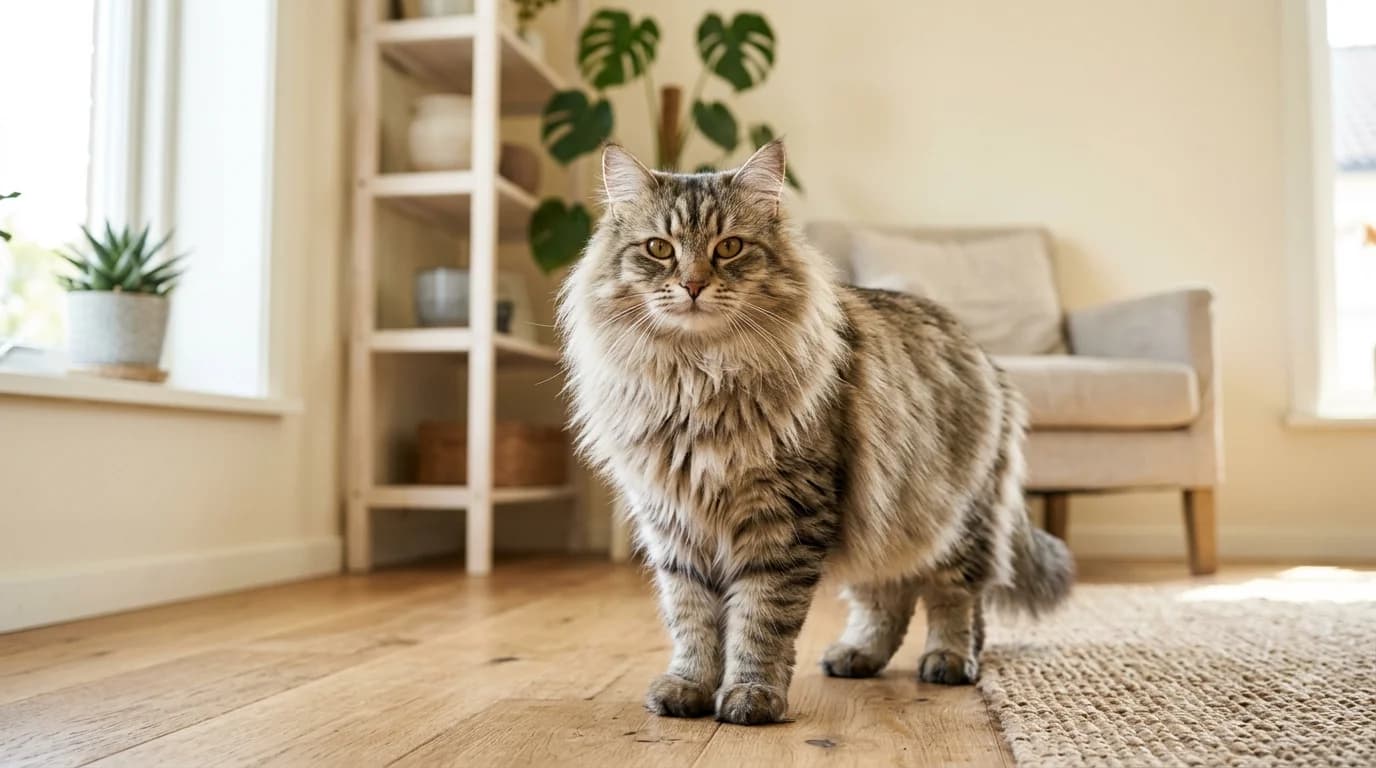
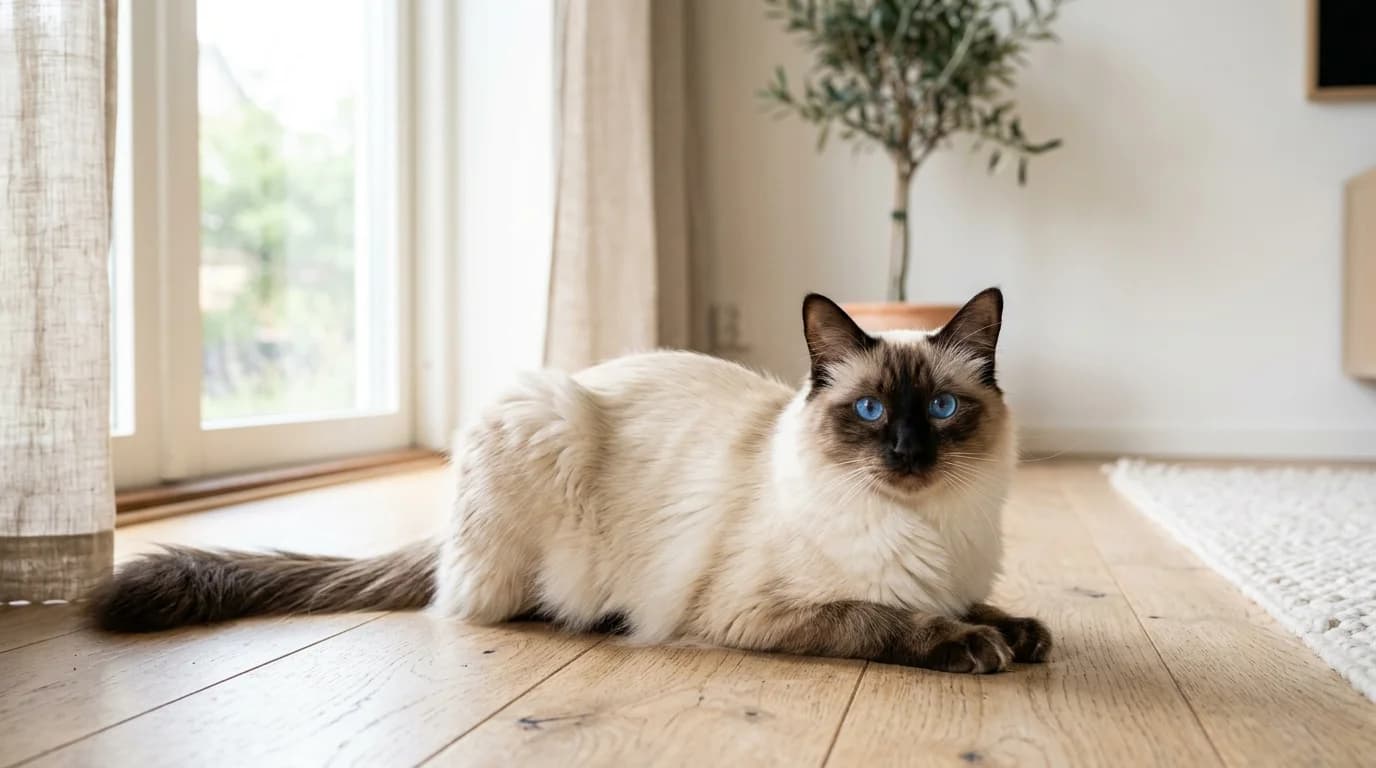
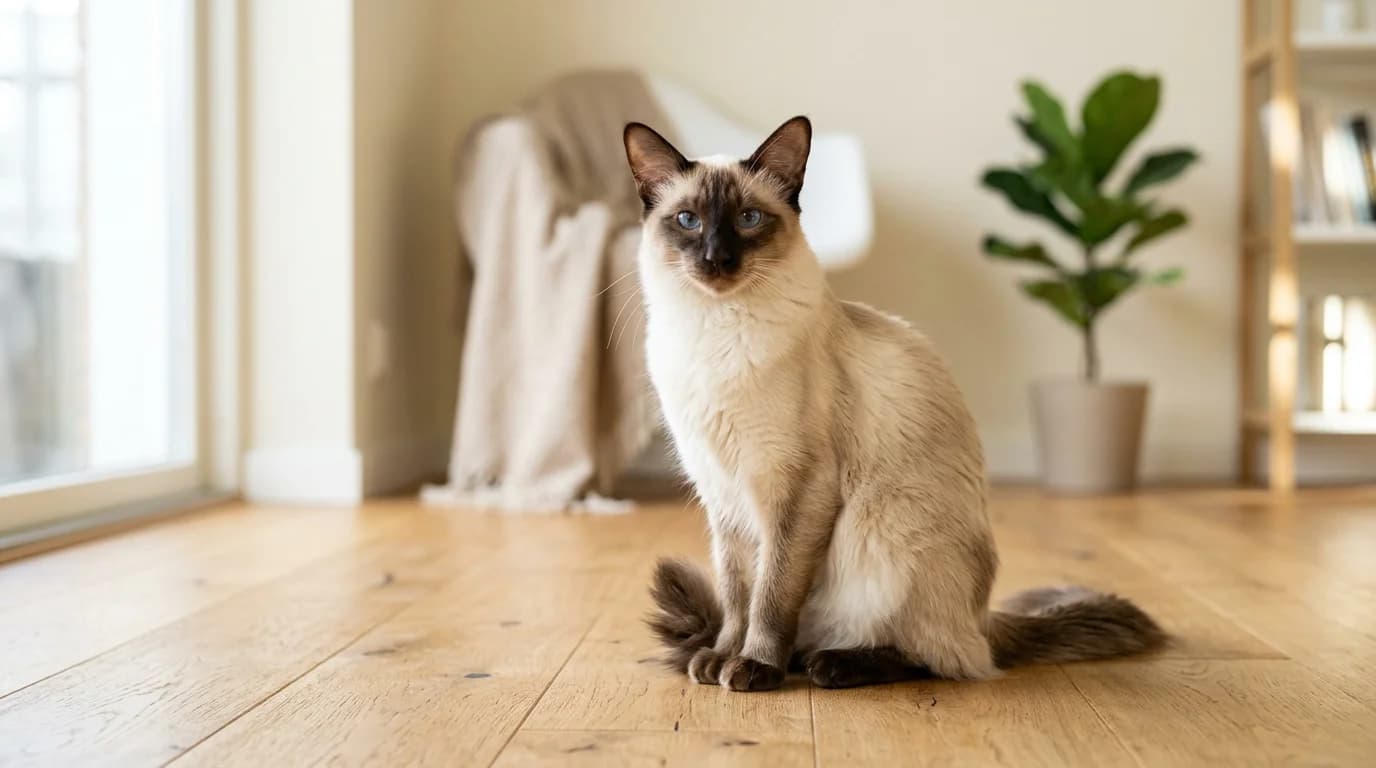
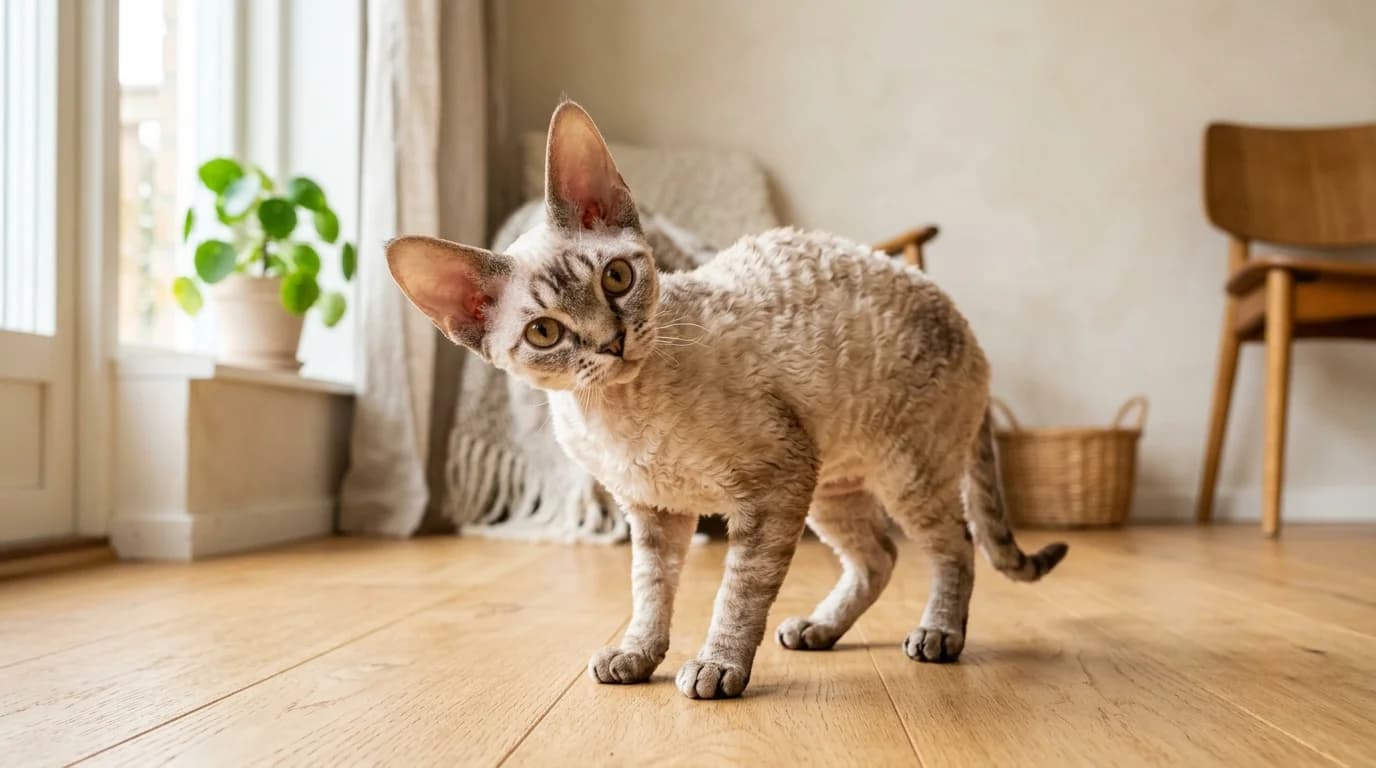
Some breeds produce measurably less Fel d 1 than others. Scientific research published in peer-reviewed journals confirms that certain breeds labeled "hypoallergenic" do secrete and distribute less Fel d 1 to their coats compared to typical cats. The Siberian is one of the most researched examples, with multiple studies and breeder-run allergen tests showing lower average Fel d 1 levels -- though individual variation within the breed is significant. The Balinese and Devon Rex are also frequently recommended for allergy sufferers.
Key factors to check: sex and neuter status (females and neutered males produce less Fel d 1), individual allergen levels (some breeders offer saliva tests), and your own sensitivity. A short trial visit before adopting is always worth arranging.
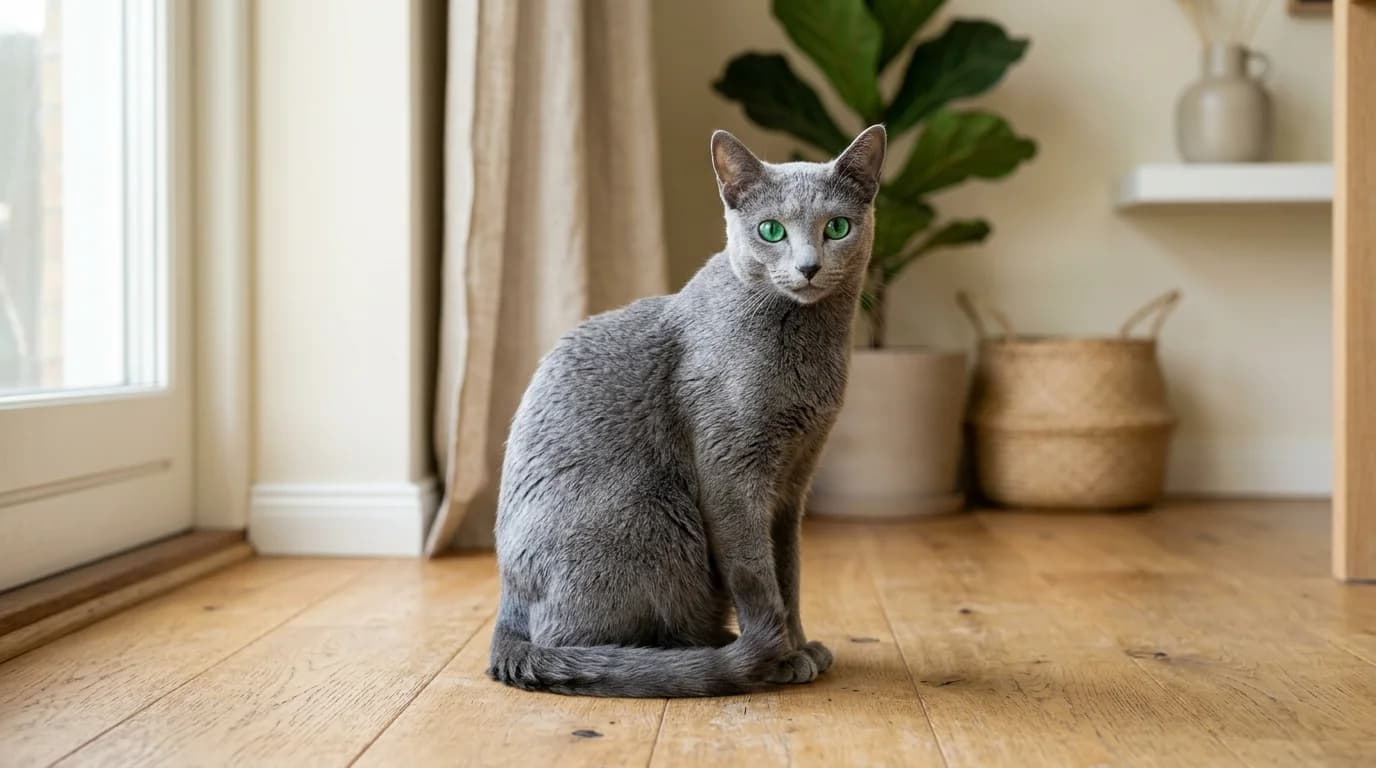
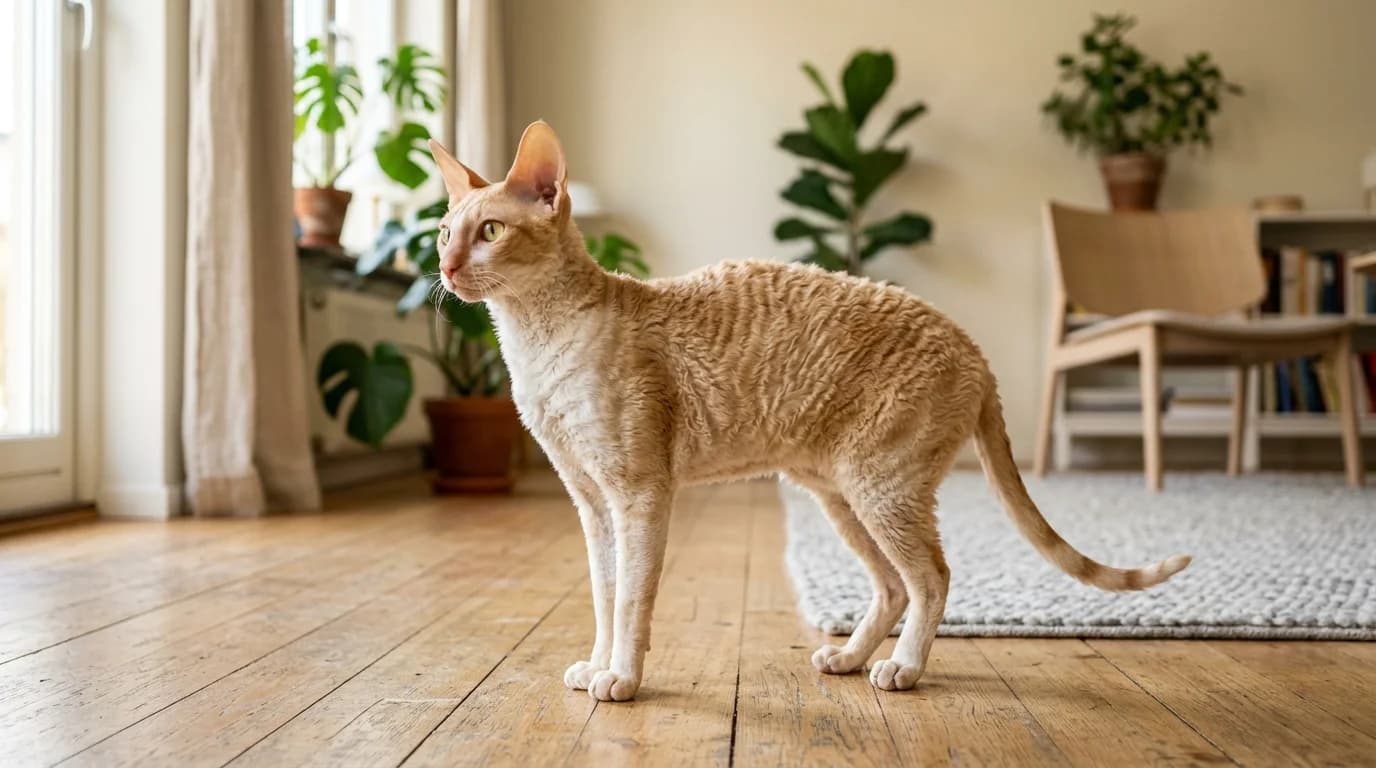
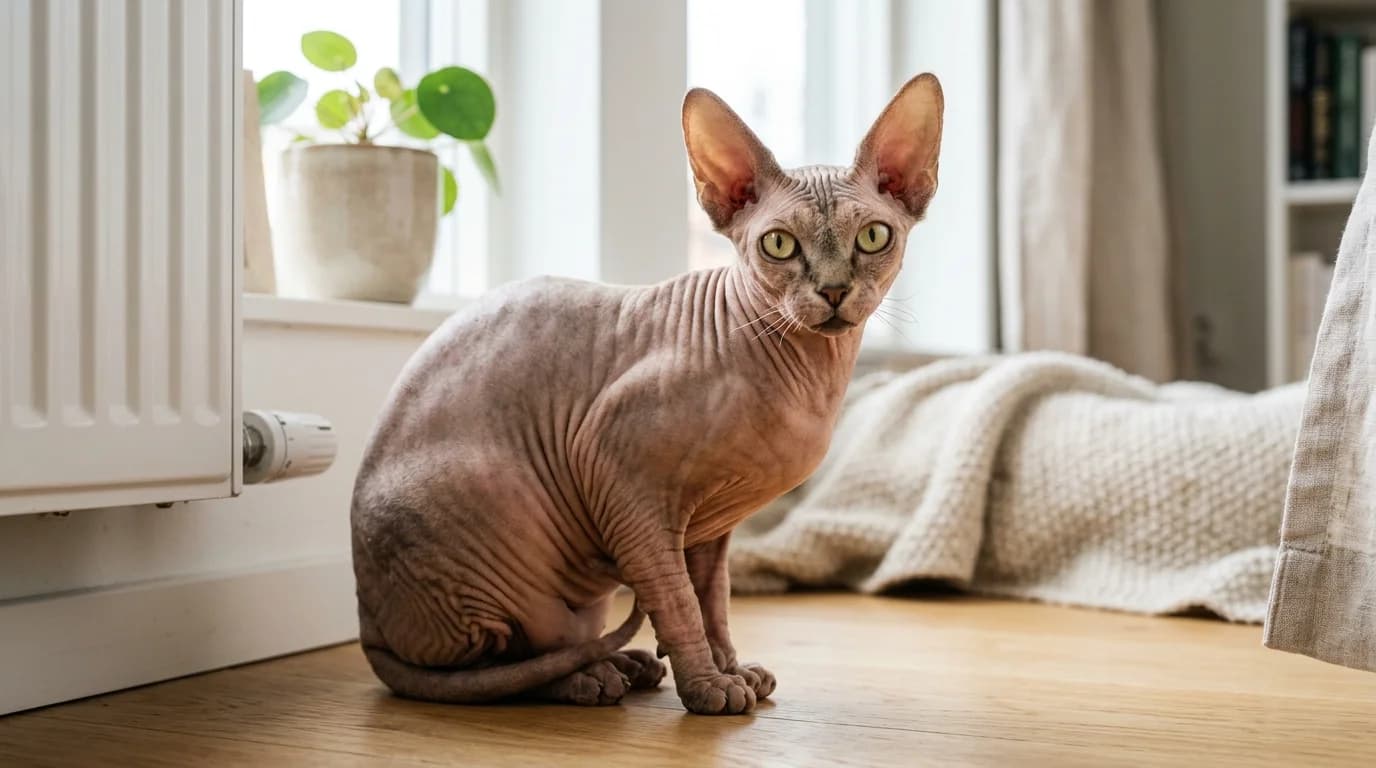
10 matching breeds
Frequently asked questions
Are any cats truly hypoallergenic?
No cat breed is completely allergen-free. All cats produce Fel d 1, the primary protein responsible for most cat allergies, in their saliva and skin glands. What varies between breeds is how much they produce and how efficiently it spreads through the environment. Research published in the Journal of Allergy and Clinical Immunology and a peer-reviewed PMC study both confirm that some breeds produce measurably lower levels of Fel d 1, making them better tolerated by many allergy sufferers -- but not all. "Hypoallergenic" is best understood as "lower allergen risk" rather than "no allergen risk."
Do Siberian cats cause fewer allergies?
Siberian cats are among the most researched breeds for lower Fel d 1 production, and many allergy sufferers report tolerating them better than other breeds. Breeder allergen testing using saliva samples sent to independent labs has documented that a meaningful portion of Siberians produce substantially less Fel d 1 than average. However, individual variation is wide -- roughly 15% of Siberians may be suitable for people with severe cat allergies, while others in the breed produce typical allergen levels. If you are considering a Siberian, ask the breeder for documented allergen test results for the specific kitten, not just the breed in general.
Which cats produce the least Fel d 1?
Breeds most commonly associated with lower Fel d 1 levels include the Siberian, Balinese, Devon Rex, Cornish Rex, and Sphynx. The Sphynx is hairless, which reduces how much allergen spreads through the environment (since there is less fur to carry it), but Sphynx cats still produce Fel d 1 in their skin secretions and require regular bathing. Sex and neuter status also matter: female cats and neutered males produce lower Fel d 1 levels than intact males, regardless of breed. A neutered male Siberian is a practical starting point for allergy-sensitive households.
Can I test my allergy reaction before adopting?
Yes, and this is strongly recommended. Arrange a visit to the breeder or foster home and spend at least 30-60 minutes in the space without antihistamines. Some allergic individuals react primarily to one breed but not another, so direct exposure is more informative than general research. Some Siberian breeders offer saliva allergen tests for specific kittens -- ask about this upfront. If you are highly sensitive, consult an allergist before adopting any cat, as they can test you for specific cat allergens and advise on risk level.
Does coat length affect allergen levels?
Coat length does not directly determine how much Fel d 1 a cat produces -- that is determined by genetics and hormones. However, coat length does affect how much allergen accumulates and spreads. Long-haired breeds tend to spread more allergen through the environment simply because they have more surface area on their coat and shed more. Short-haired and hairless breeds typically spread less airborne allergen for this mechanical reason, even if their base Fel d 1 production is similar. Regular grooming and vacuuming reduce environmental allergen levels in any cat household.