Topic guide
Long-haired cat breeds
Breeds with flowing coats that bring drama and softness - paired with a serious grooming commitment.
This page is for people drawn to the dramatic, flowing coats of long-haired cat breeds and who want to understand the commitment and the rewards that come with them.
Long-haired cats are among the most visually striking in the cat world, but their coats require real commitment. Daily or near-daily brushing is essential for most long-haired breeds to prevent tangles and mats -- the kind that, if left too long, require professional grooming or even sedated shaving at a veterinary clinic. Before choosing a long-haired breed, be honest about whether you will build that grooming habit into your daily routine.
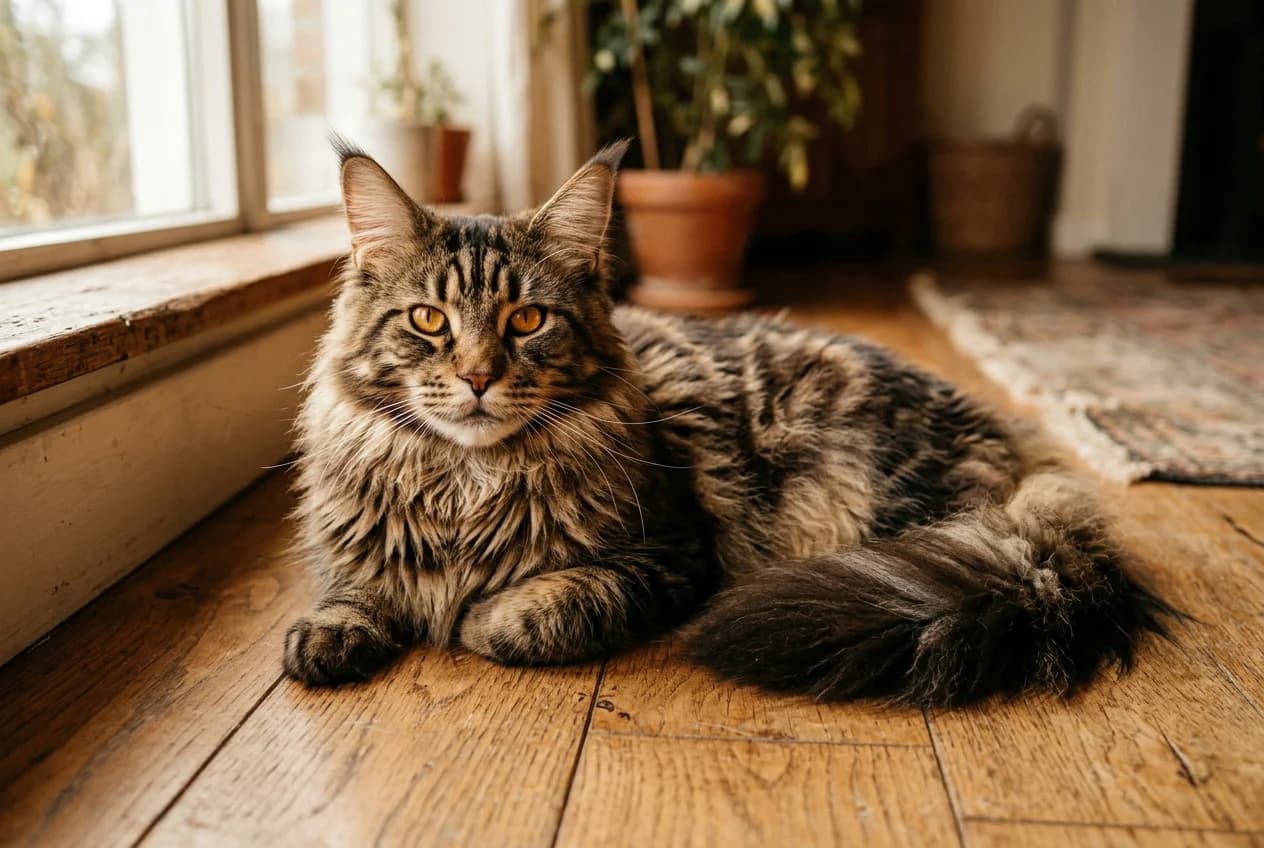
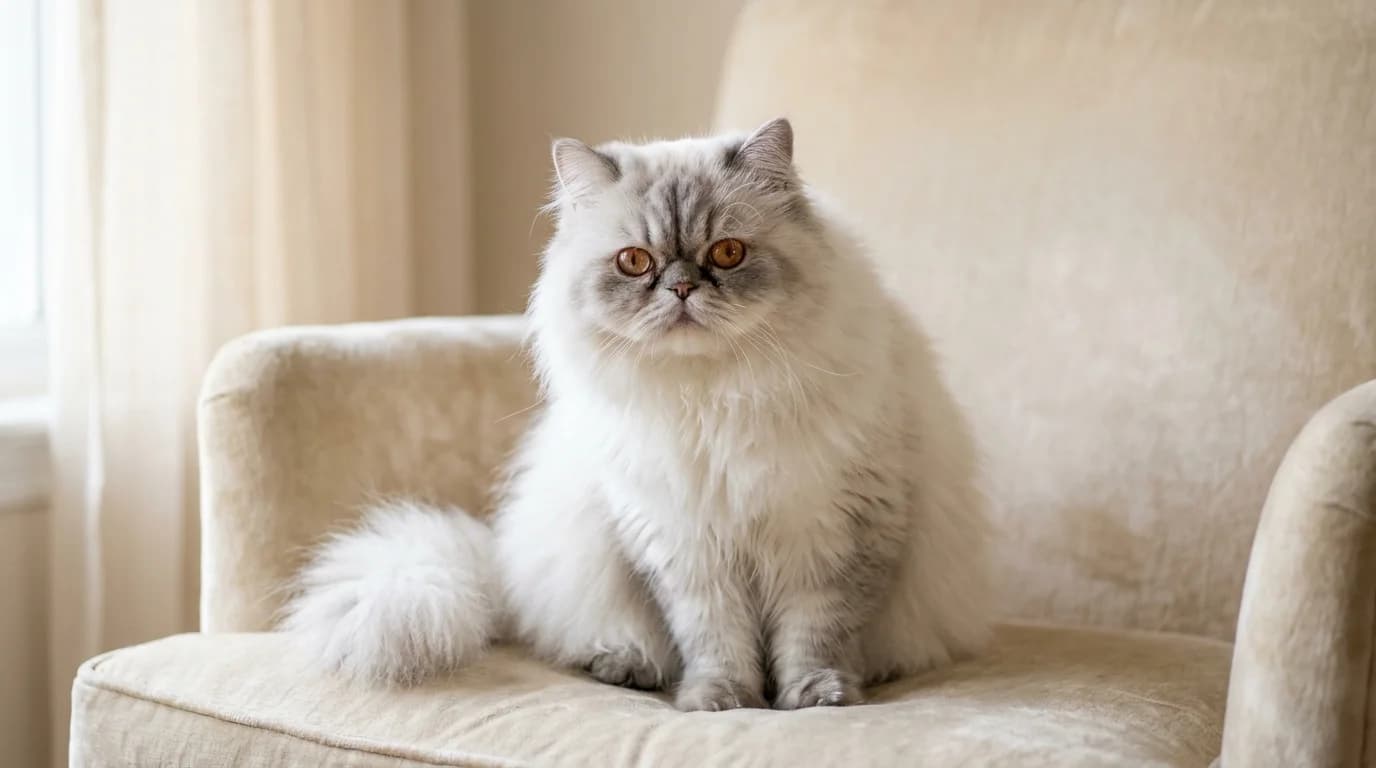
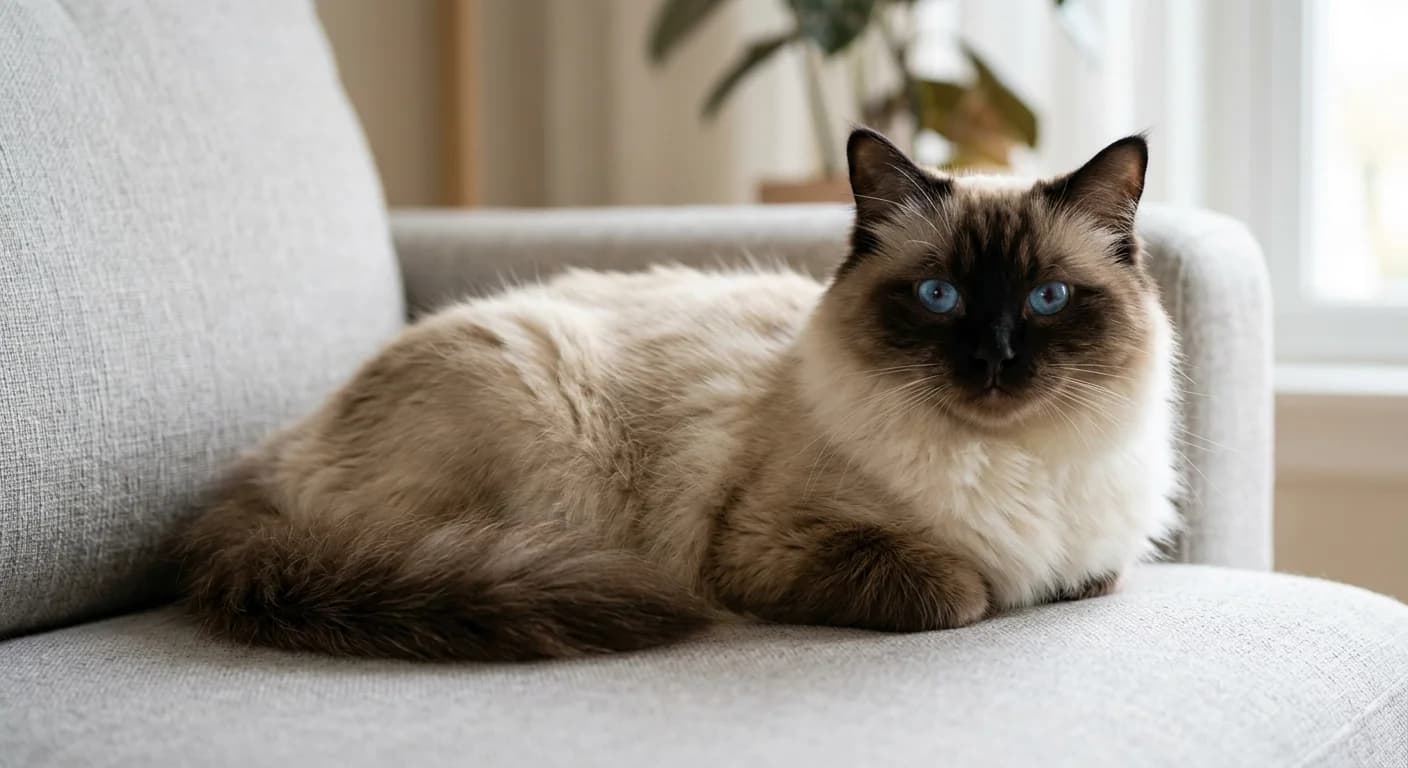
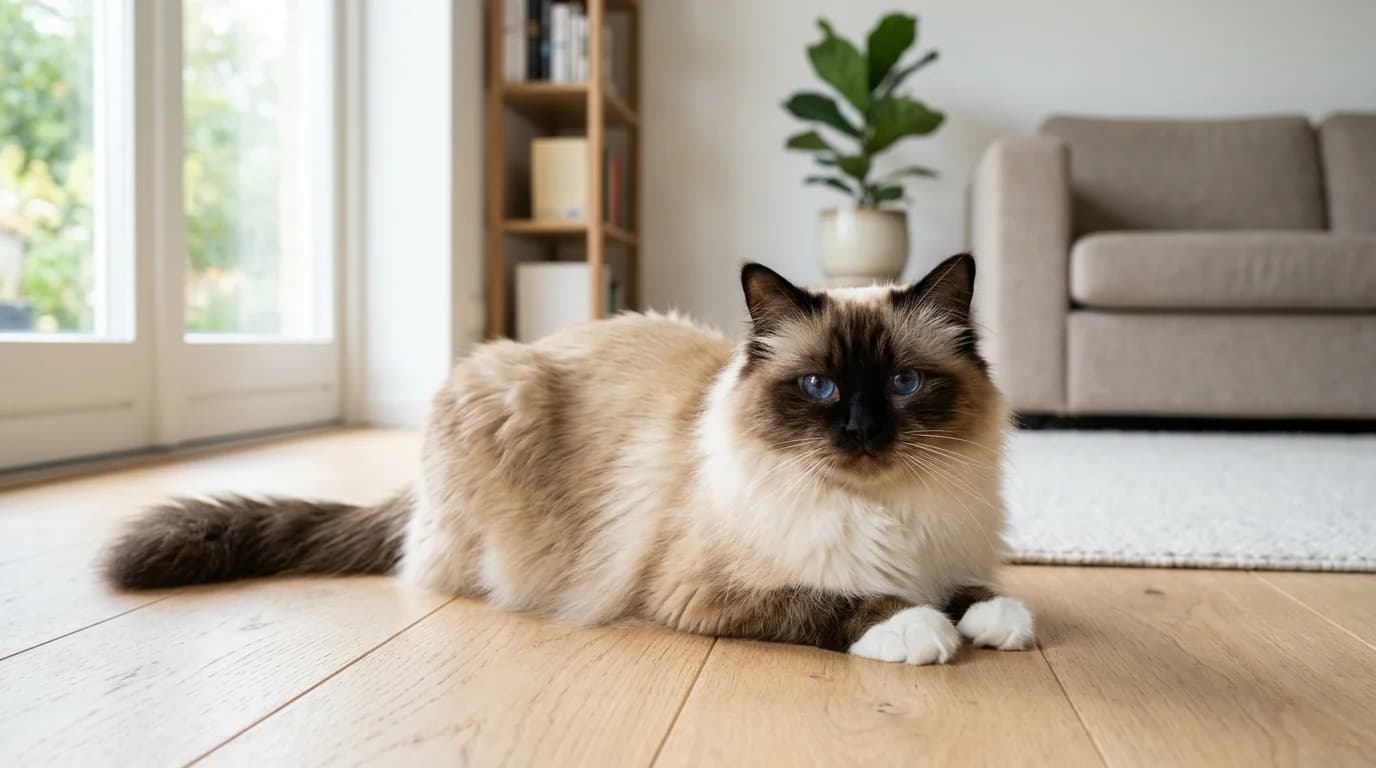
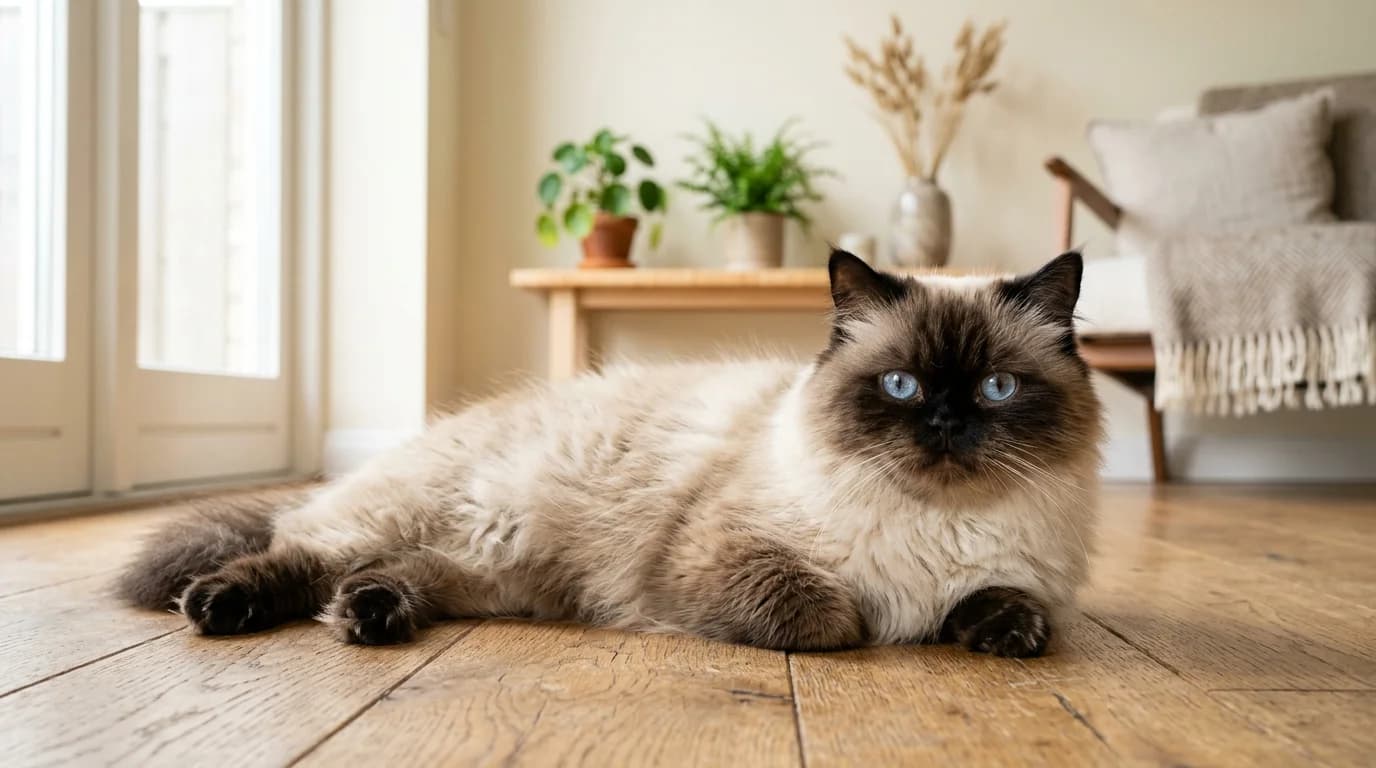
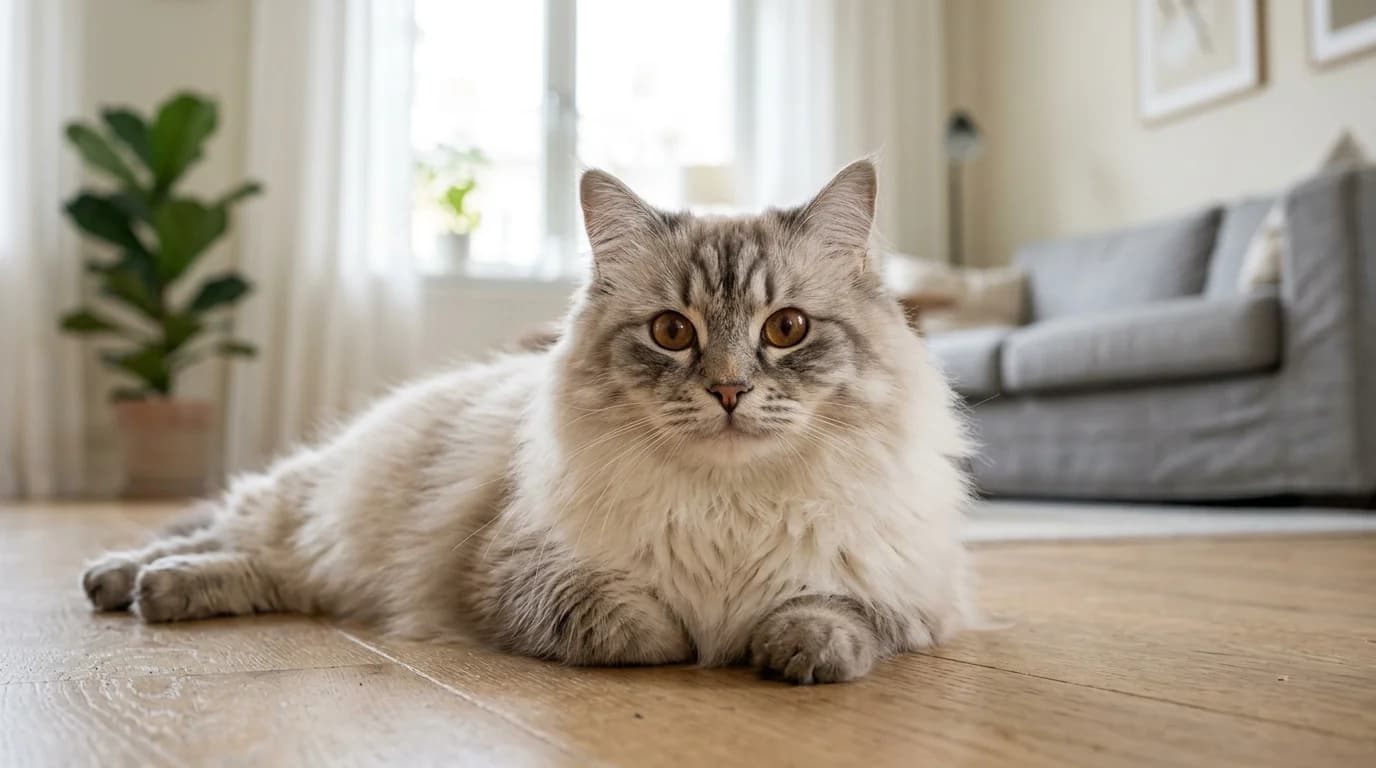
That said, coat textures vary significantly between breeds. The Persian's ultra-dense, flat-lying coat is the most demanding of all. The Ragdoll's semi-long coat has a silky texture that resists matting better than many other long-haired breeds. The Maine Coon's thick, shaggy coat needs brushing a few times a week rather than every day.
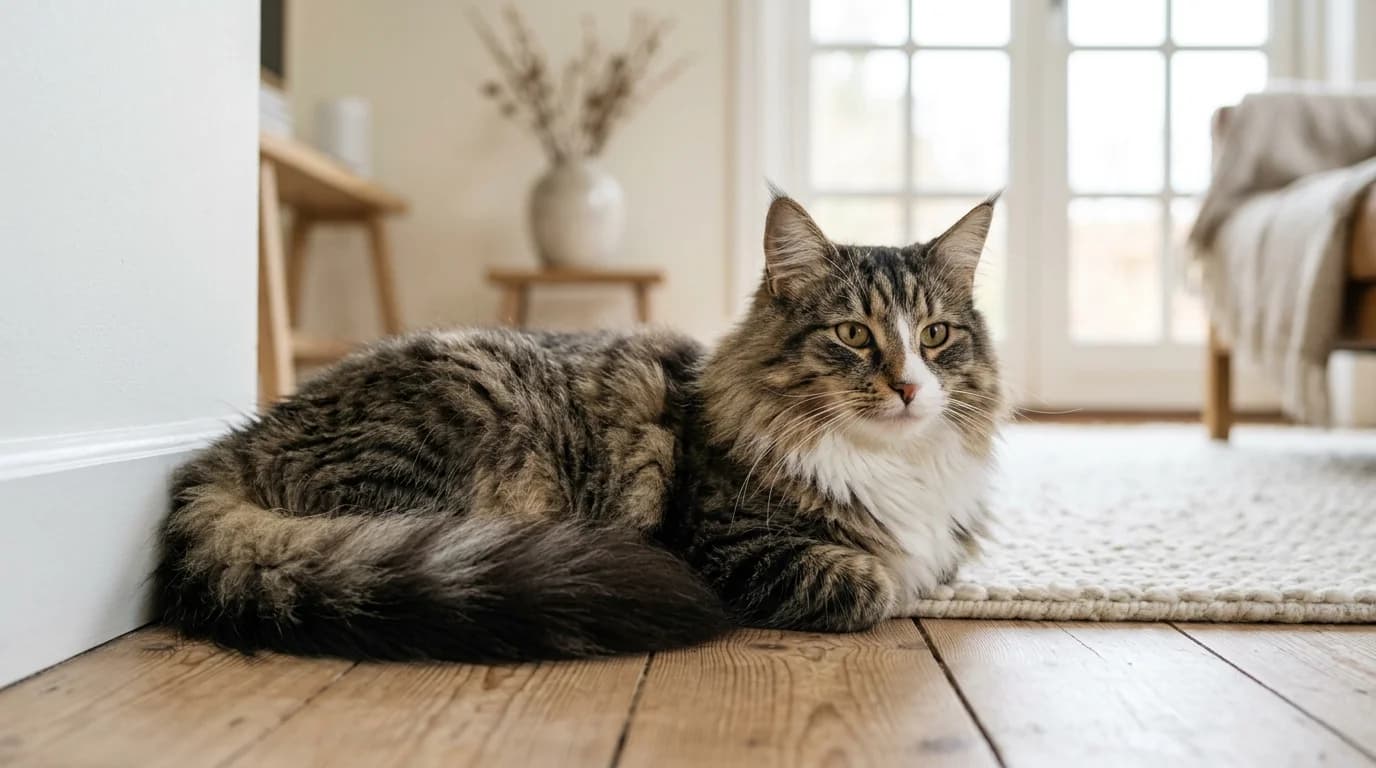
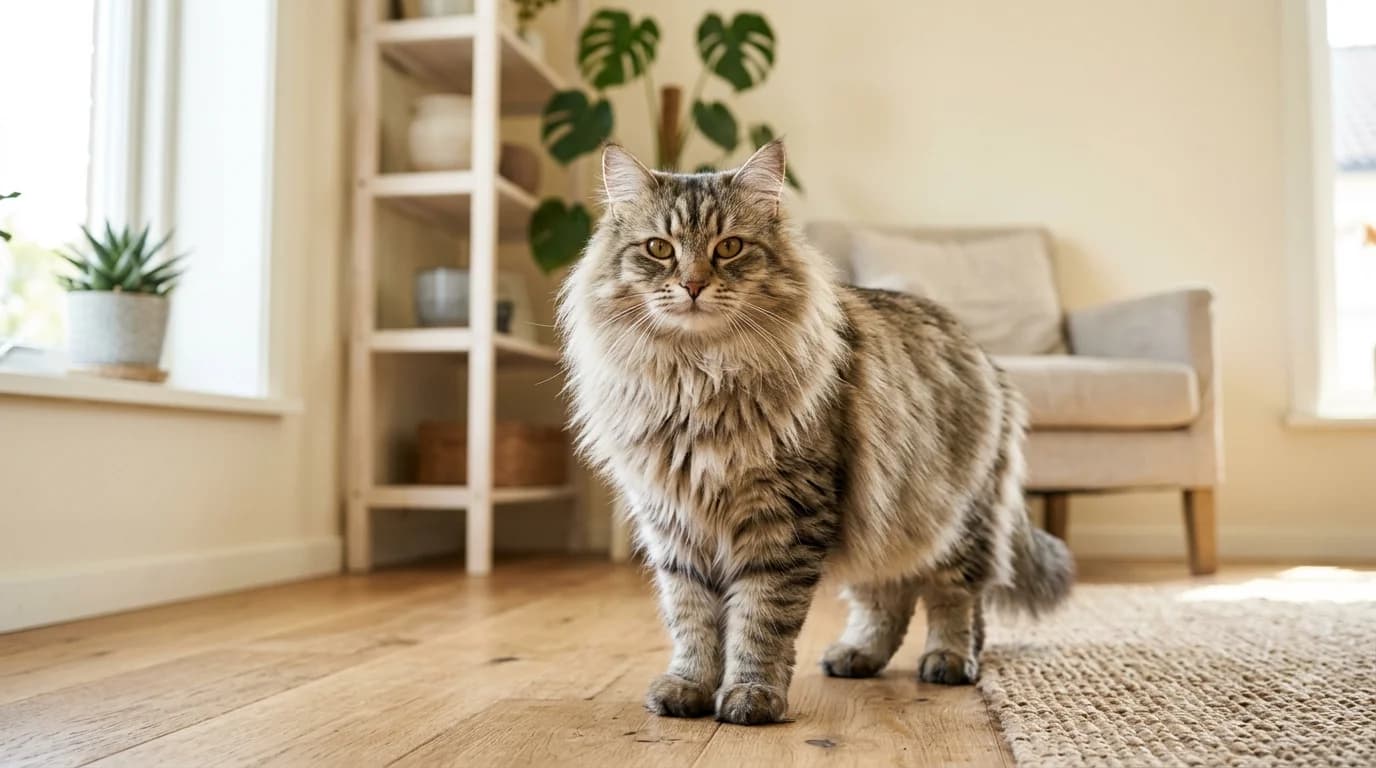
The Maine Coon is the most popular long-haired breed globally -- large, sociable, and surprisingly adaptable for a big cat. The Persian remains the classic long-haired breed with a devoted following, best suited to calm, indoor households. The Norwegian Forest Cat brings a weather-resistant double coat and a robust, outdoorsy temperament.
If you love the look but want less maintenance, the Ragdoll or Norwegian Forest Cat offers a lower-effort long-haired option compared to the Persian.
12 matching breeds
Frequently asked questions
How often do long-haired cats need grooming?
Most long-haired breeds need brushing at least 3-5 times per week, with daily grooming recommended for Persians and other breeds with dense, easily-matted coats. Maine Coons generally need brushing 2-3 times per week outside of seasonal shedding periods, when daily attention becomes necessary. Professional grooming every 4-6 weeks is beneficial even for well-maintained long-haired cats to deal with areas that are difficult to reach at home. Establishing a grooming routine from kittenhood makes the process much easier for both cat and owner as the cat becomes accustomed to regular handling.
Do all long-haired cats shed the same amount?
No -- shedding varies significantly by breed and coat type. Persians with their dense double coats shed heavily and the hair tends to mat rather than fall out cleanly, which can paradoxically mean less loose hair on furniture but more grooming work. Maine Coons shed seasonally in large quantities during spring coat changes. The Ragdoll, despite its long coat, has a single-layer silky coat that sheds less and mats less than the Persian. Siberian cats have a dense triple coat but shed in controlled seasonal blows twice a year. Regular brushing is the most effective way to manage shedding in any long-haired breed.
Are long-haired cats harder to keep clean?
Long-haired cats can develop hygiene issues in areas their coat obscures -- particularly around the rear end (where feces can stick to fur), under the armpits, and behind the ears. Persians with their flat faces also need daily cleaning around the eyes to prevent tear stain buildup. Most long-haired cats manage self-grooming well, but during illness, obesity, or old age, they may need more human assistance. Regular brushing prevents the worst hygiene problems by keeping the coat free of mats and tangles that trap debris.
Which long-haired breeds are easiest to groom?
The Ragdoll and Norwegian Forest Cat are among the easiest long-haired breeds to maintain. The Ragdoll's silky, single-layer coat resists matting and requires brushing 2-3 times per week rather than daily. The Norwegian Forest Cat's dense, water-repellent coat is self-cleaning to a degree and mats less than the Persian's coat despite its length. The Birman is another lower-effort long-haired option. The Persian and Himalayan sit at the high-maintenance end and are best suited to owners genuinely committed to a daily grooming habit.
Do long-haired cats need baths?
Most long-haired cats do not need frequent baths if they are regularly brushed and maintain good self-grooming habits. Occasional bathing -- every few months or when the coat becomes visibly soiled -- is sufficient for most. Persians are an exception: their coats can develop an oily buildup that benefits from monthly bathing. Introducing bathing from kittenhood makes the process much less stressful for the cat as an adult. Use a cat-specific shampoo and ensure the coat is fully dried after washing to prevent skin issues in dense-coated breeds.