Topic guide
Low-maintenance cat breeds
Short-coated, easy-going breeds that need minimal grooming and adapt well to a hands-off routine.
This page is for first-time cat owners, busy professionals, or anyone who wants a cat that fits comfortably into a lower-involvement lifestyle without constant grooming or attention demands.
"Low-maintenance" does not mean neglected -- every cat needs daily food, clean water, a litter box, veterinary care, and some form of interaction. What varies is how much active time and attention a cat genuinely needs to stay healthy and content.
Low-maintenance breeds tend to be short-haired (less grooming), emotionally independent (comfortable alone for longer periods), and moderate in energy (not demanding hourly play sessions). They are also generally healthy breeds without the structural health issues that drive veterinary costs in some popular breeds.
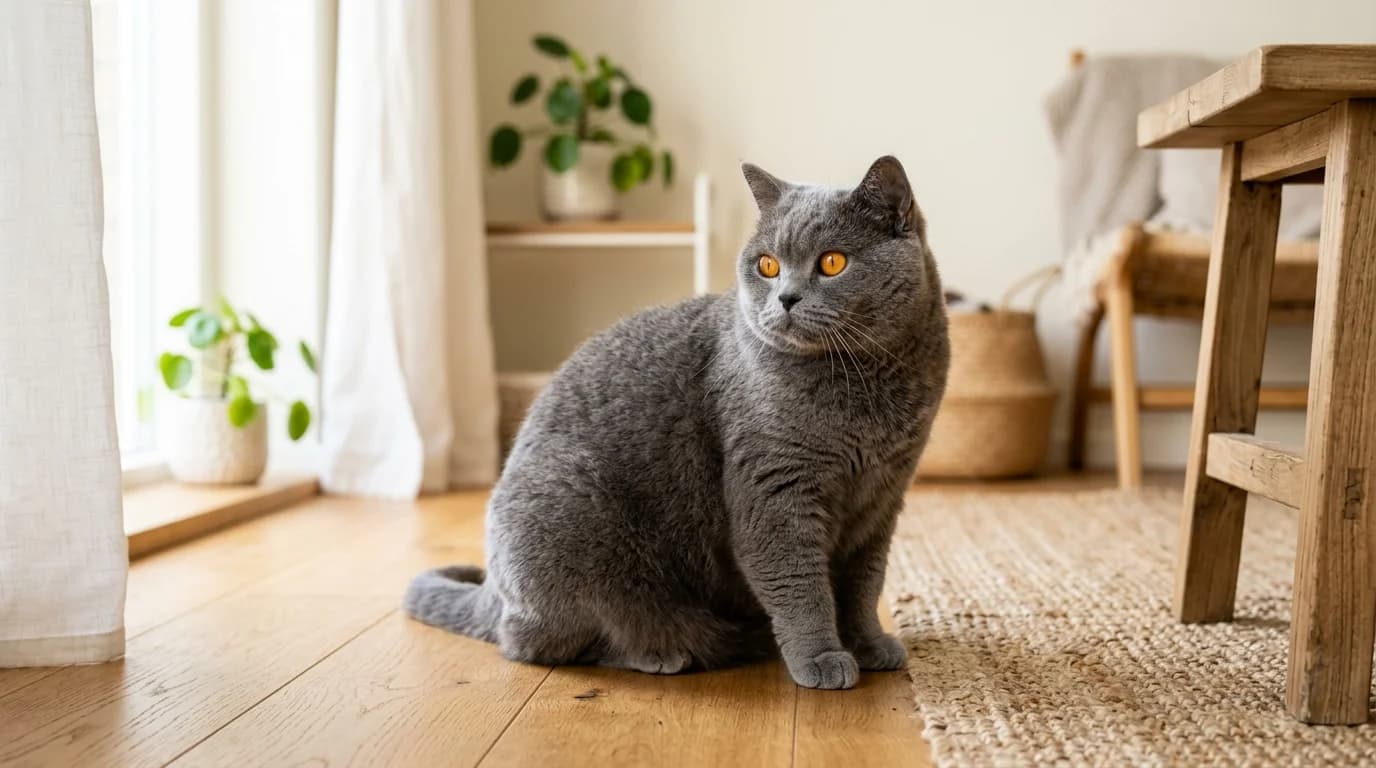
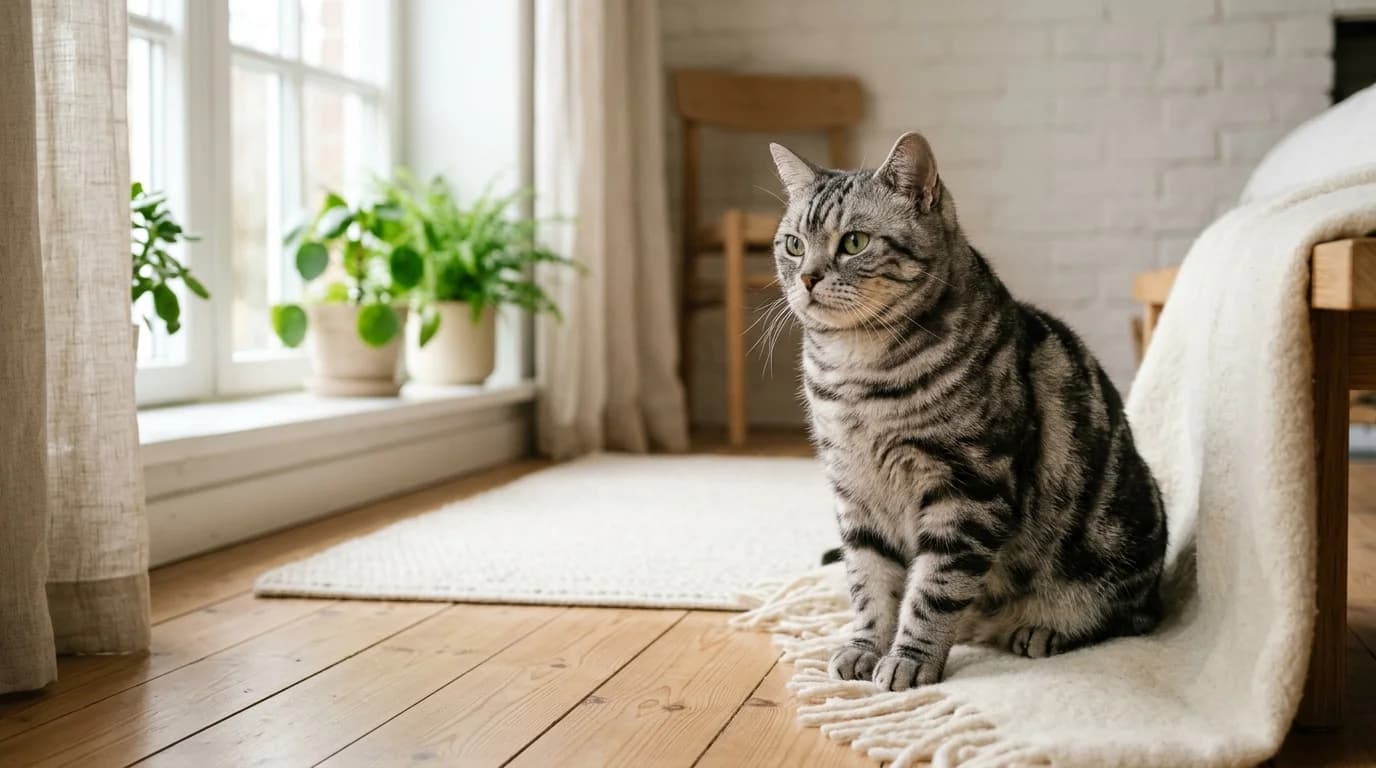
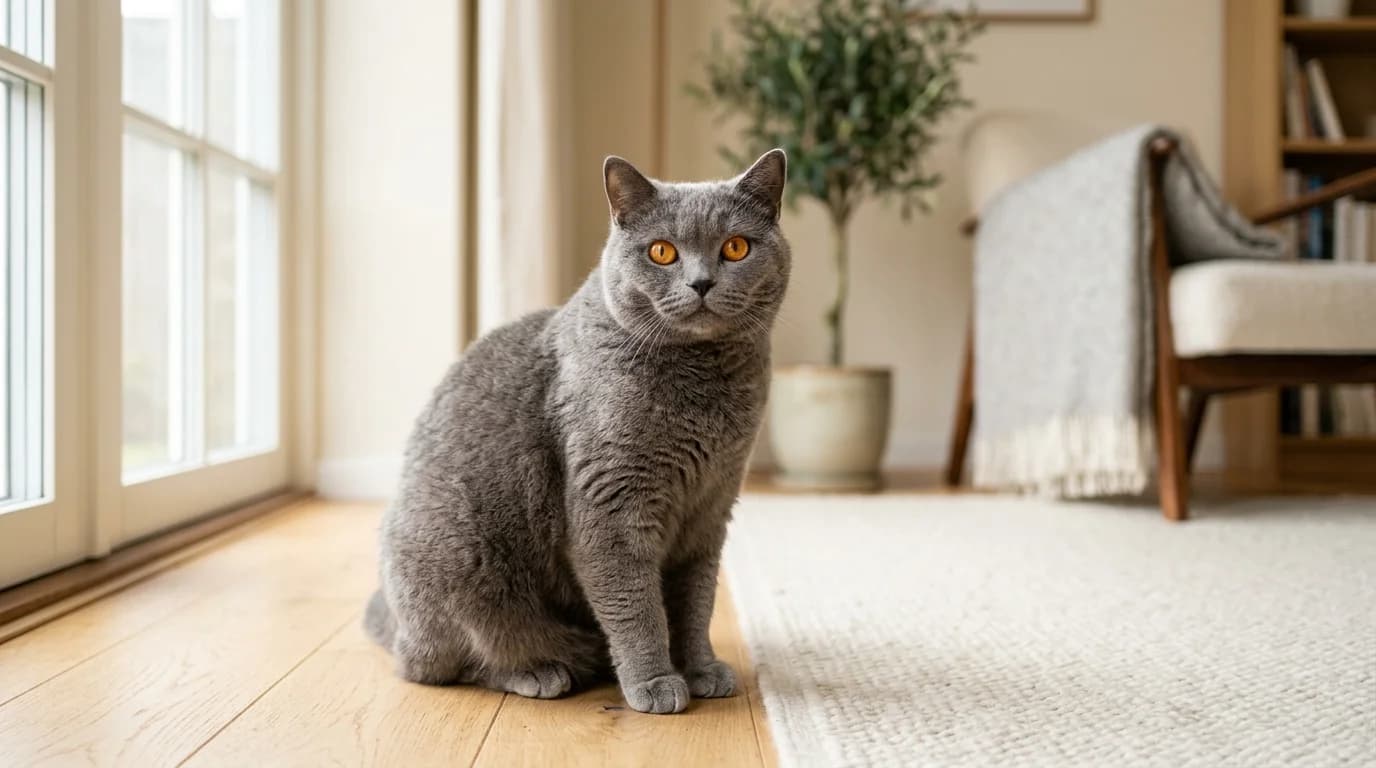
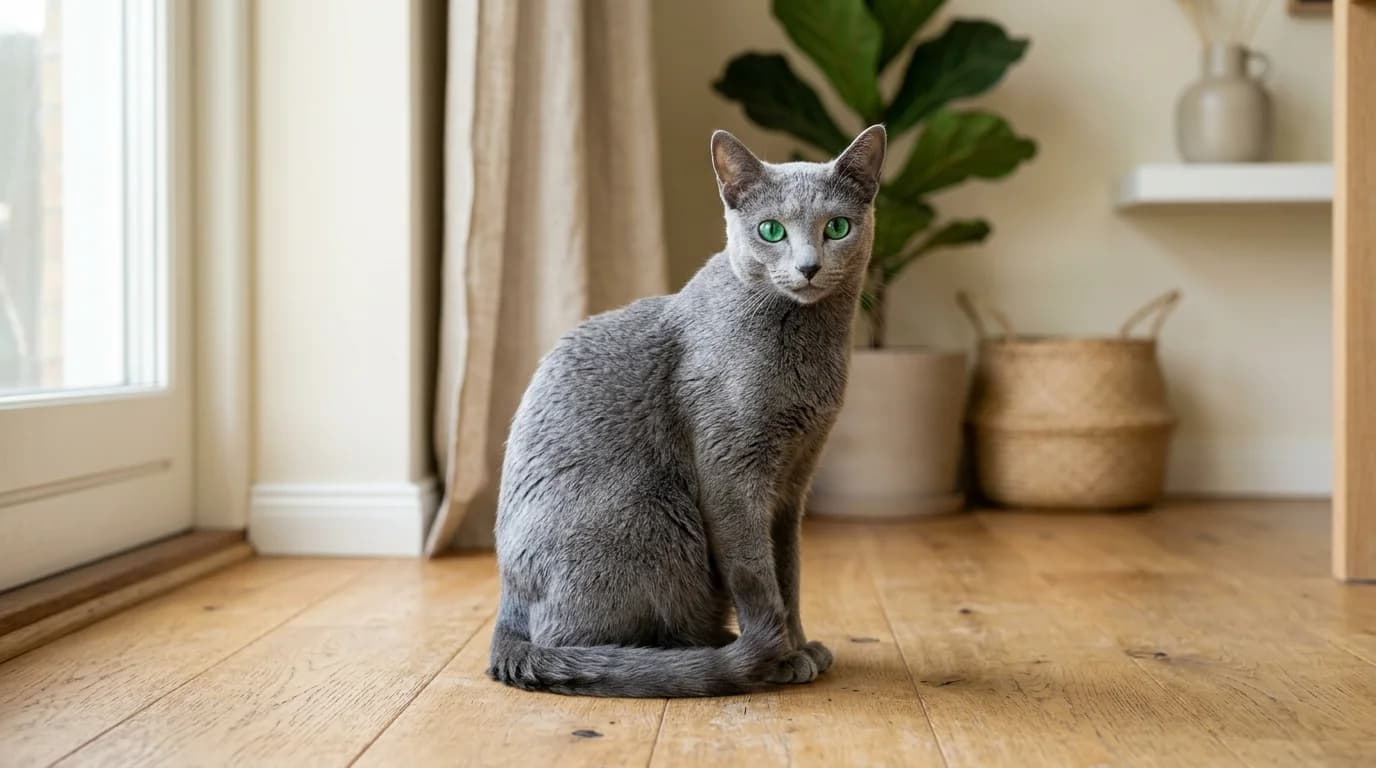
The British Shorthair is perhaps the most recommended low-maintenance breed: its dense but short coat needs only occasional brushing, it is famously self-sufficient, and it does not develop separation anxiety the way more social breeds do. The Russian Blue is another strong pick -- content to entertain itself, tidy by nature, and easy to groom. The American Shorthair rounds out the top three with robust general health and an uncomplicated, adaptable temperament.
If your main concern is grooming time, avoid long-haired breeds entirely. If you will be away from home for ten or more hours a day regularly, consider adopting a bonded pair so den cat har selskab.
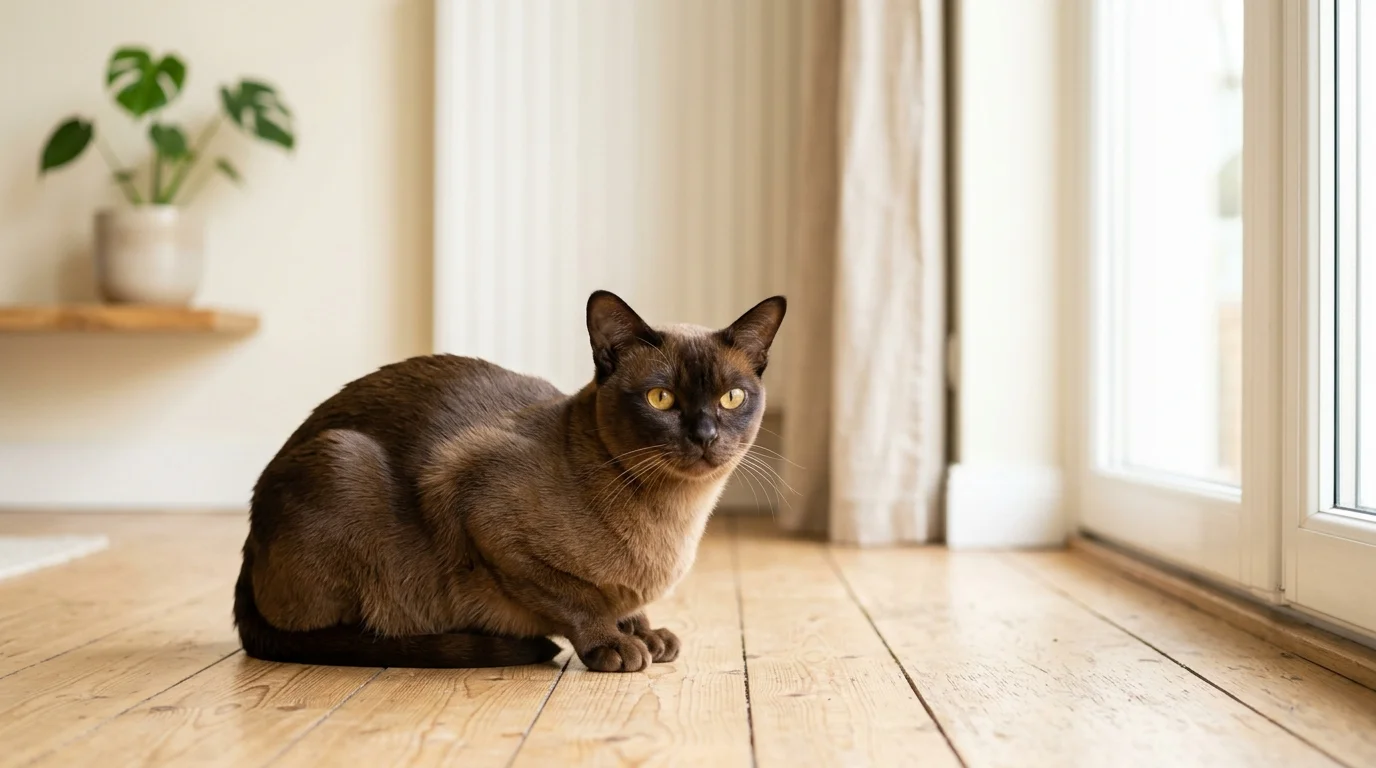
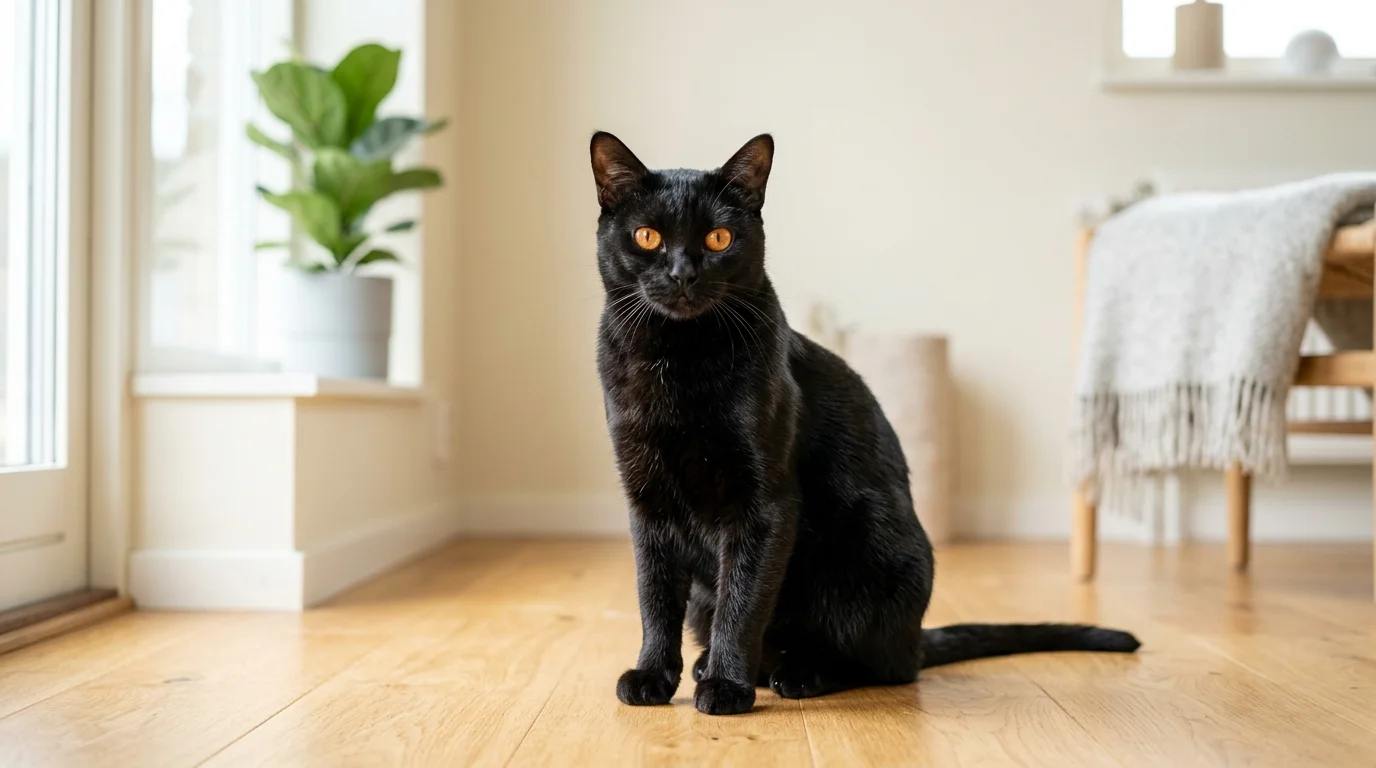
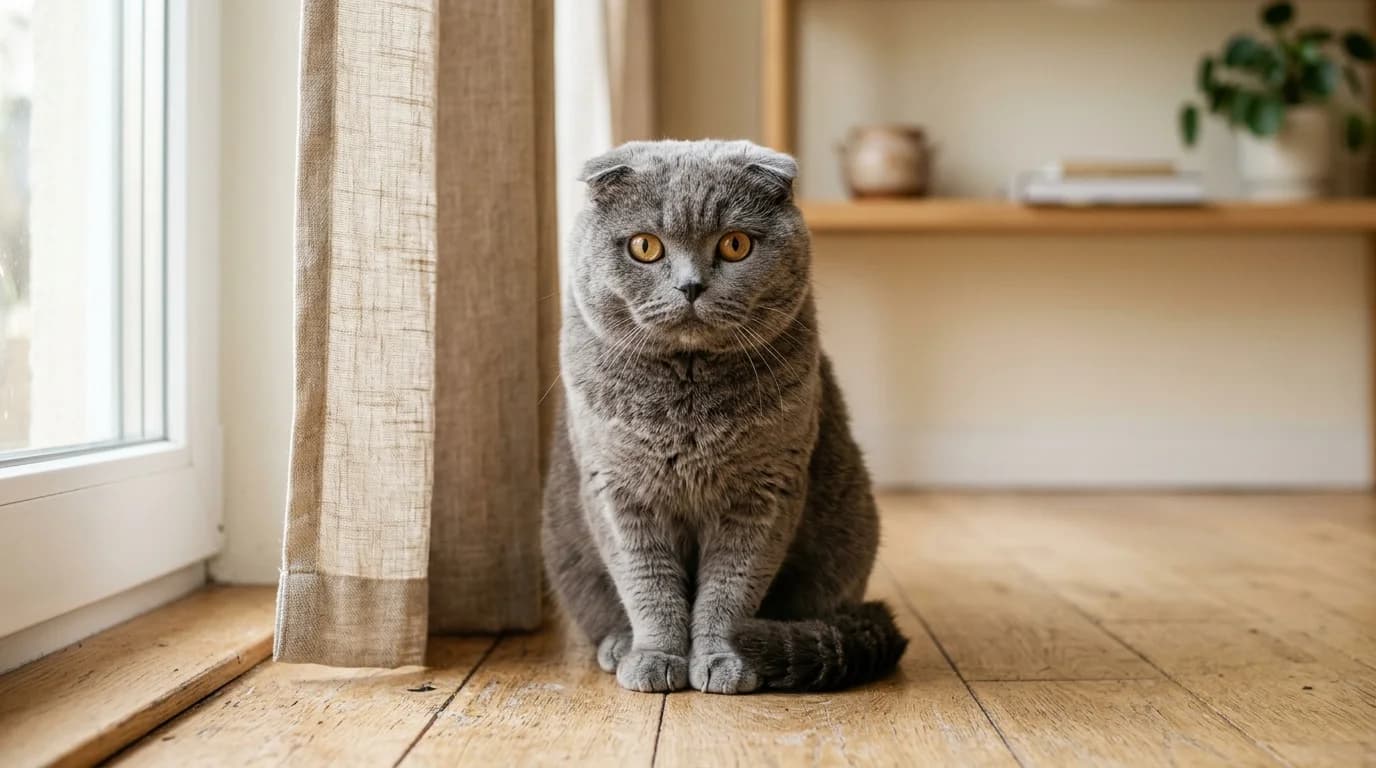
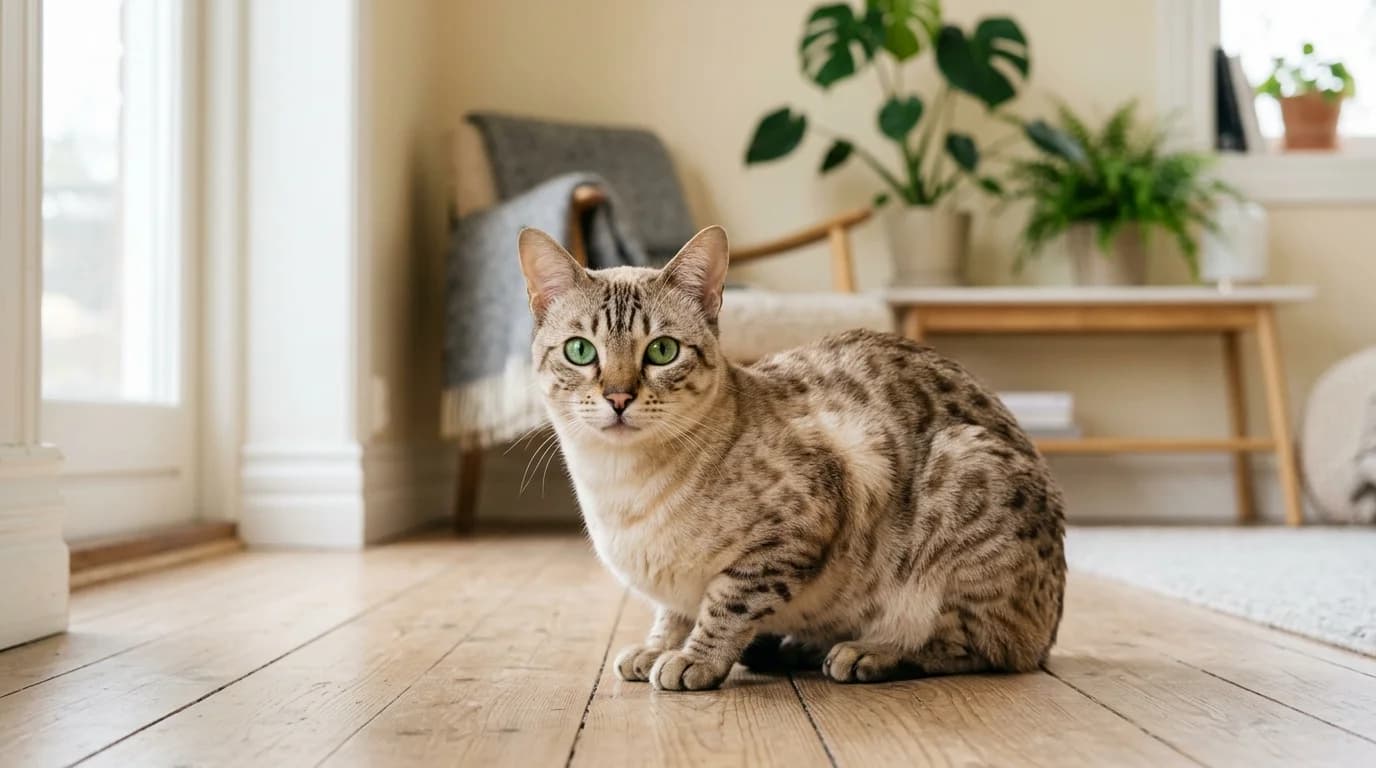
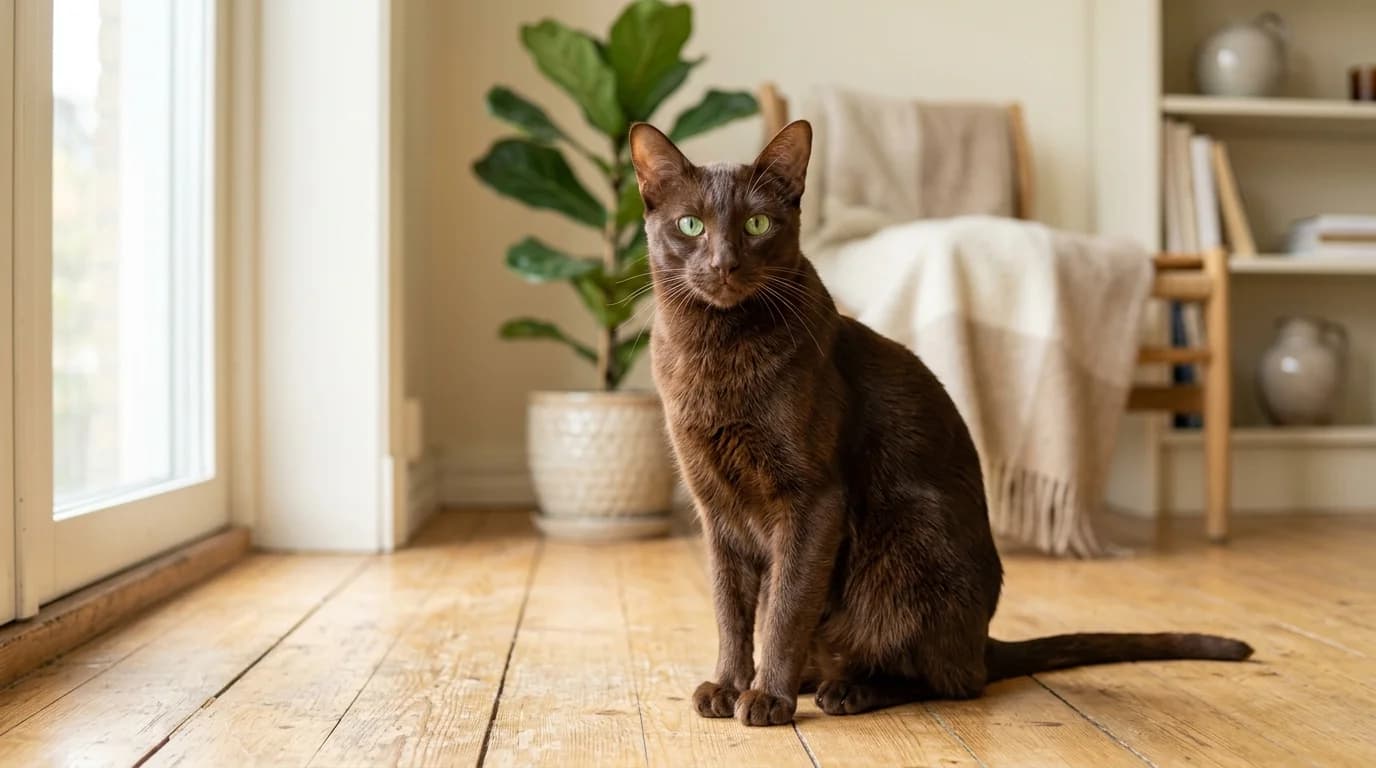
10 matching breeds
Frequently asked questions
What makes a cat breed low-maintenance?
A low-maintenance cat typically combines three qualities: a short or easy-care coat that does not mat or need daily brushing, an independent temperament that does not require constant attention or interaction, and solid general health that does not result in frequent veterinary visits. Breeds like the British Shorthair and Russian Blue score well on all three. Energy level is also a factor -- a highly active breed like the Bengal or Abyssinian needs significant daily stimulation and becomes destructive if under-stimulated, making it high-maintenance despite having a short coat.
Can a low-maintenance cat be left alone during work hours?
Yes, many low-maintenance breeds handle a standard 8-9 hour workday well. The British Shorthair, Russian Blue, and Scottish Fold are frequently cited as breeds that are genuinely comfortable spending the day alone, provided they have environmental enrichment: a window perch, toys, and a clean litter box. Beyond 10-12 hours of regular solitary confinement, even independent breeds can develop stress behaviors. If your schedule is unpredictable and hours are long, a second cat as company significantly reduces the risk of loneliness-driven behavior issues.
Are short-haired cats always lower maintenance than long-haired cats?
As a general rule, yes -- but with exceptions. Short-haired breeds like the British Shorthair or Siamese require minimal grooming, while long-haired breeds like Persians need daily brushing to prevent matting. However, some medium-length coated breeds like the Ragdoll are surprisingly easy to maintain because their fur has a non-matting texture. Conversely, the double-coated British Shorthair may shed more seasonally than some single-coated long-haired breeds. Grooming time is the primary maintenance variable between coat types; temperament and energy level drive the rest.
Which cat breeds are best for first-time owners?
The British Shorthair, Ragdoll, and Scottish Fold are the most commonly recommended breeds for first-time cat owners. They are tolerant of handling mistakes, not prone to aggression, and do not have extreme care requirements. The American Shorthair is another good option: a robust, adaptable cat with no exaggerated physical features that might require specialist veterinary care. Avoid highly active breeds like Bengals or Abyssinians as a first cat unless you are prepared for a high level of engagement and enrichment.
How much grooming does a low-maintenance cat actually need?
Most short-haired low-maintenance breeds need brushing once or twice a week to remove loose hair and reduce shedding on furniture. During seasonal coat changes in spring and autumn, weekly brushing becomes more important. Beyond coat care: nail trimming every 3-4 weeks, dental hygiene (ideally a few times a week with a cat-safe toothbrush or dental treats), and ear checks monthly. The total active grooming time for a healthy, short-haired cat is typically under 30 minutes per week.